

Five detox habits that each take about 30 seconds, starting with the heavy metal detox bath: an easy Epsom salt recipe, how to do one, and what it really does for you.

1. Heavy metal detox bath: how to do one, and what it really does
Adding Epsom salts to your bath takes about 30 seconds, which is why it tops this list. Epsom salt is magnesium sulphate, and a warm soak in it is one of the oldest and simplest rituals there is. Here's how to run one, and what the research says it can do for you.
Heavy metal detox bath recipe
- 2 cups Epsom salt (about 500g)
- ½ cup bicarbonate of soda, optional. It softens the water and leaves your skin feeling silky.
- 5 to 10 drops of lavender essential oil, optional. Stir it into a tablespoon of a carrier oil such as sweet almond first, so it disperses instead of floating on the surface.

How to do it
- Run a bath that's comfortably warm rather than hot, around 40°C.
- Dissolve the salts (and bicarb, if you're using it) under the running tap, then add your oil.
- Soak for 15 to 20 minutes.
- Stand up slowly, rinse off and pat dry. Moisturise while your skin is still a little damp; a rich body balm seals the moisture in.
- Drink a big glass of water.
Once, twice or up to three times a week is a comfortable rhythm. If better sleep is what you're after, run it an hour or two before bed.
What it does, and what it doesn't
Your body already has a detox system, and a very good one. Your liver, kidneys and gut clear out what you don't need, and reviews of popular detox methods have found little evidence that they improve on it.1 There's also no good evidence that a bath can draw heavy metals out through the skin. Skin is built as a barrier, and a 2017 review of magnesium absorbed through the skin concluded the idea isn't yet supported by science.2 If real heavy metal exposure is a worry, your GP is the right person to ask.
What a warm Epsom salt bath does well is simpler, and still worth your time. Warm water eases tired, tight muscles. A review of 17 studies found that a warm bath or shower one to two hours before bed helped people fall asleep faster and rate their sleep more highly, with benefits from as little as ten minutes.3 And if it's magnesium you're after, food is the well-studied route: leafy greens, nuts, seeds and whole grains.
2. Start the day with lemon water
After a night's sleep your body is a little dehydrated and ready for a drink. Before you reach for the kettle, take 30 seconds to squeeze the juice of half a lemon into a large glass of water. Tepid is nicest first thing.
The lemon adds a little vitamin C and a lot of flavour, and for many of us it's what turns "drink more water" into a habit that sticks. Lemon is acidic, so rinse with plain water afterwards and wait half an hour before brushing your teeth.
3. Cut down what goes on your skin every day
We come into contact with synthetic chemicals we didn't choose every day, in the air, the soil and the water. The products you put on your skin and hair each morning are the part you do get to choose.
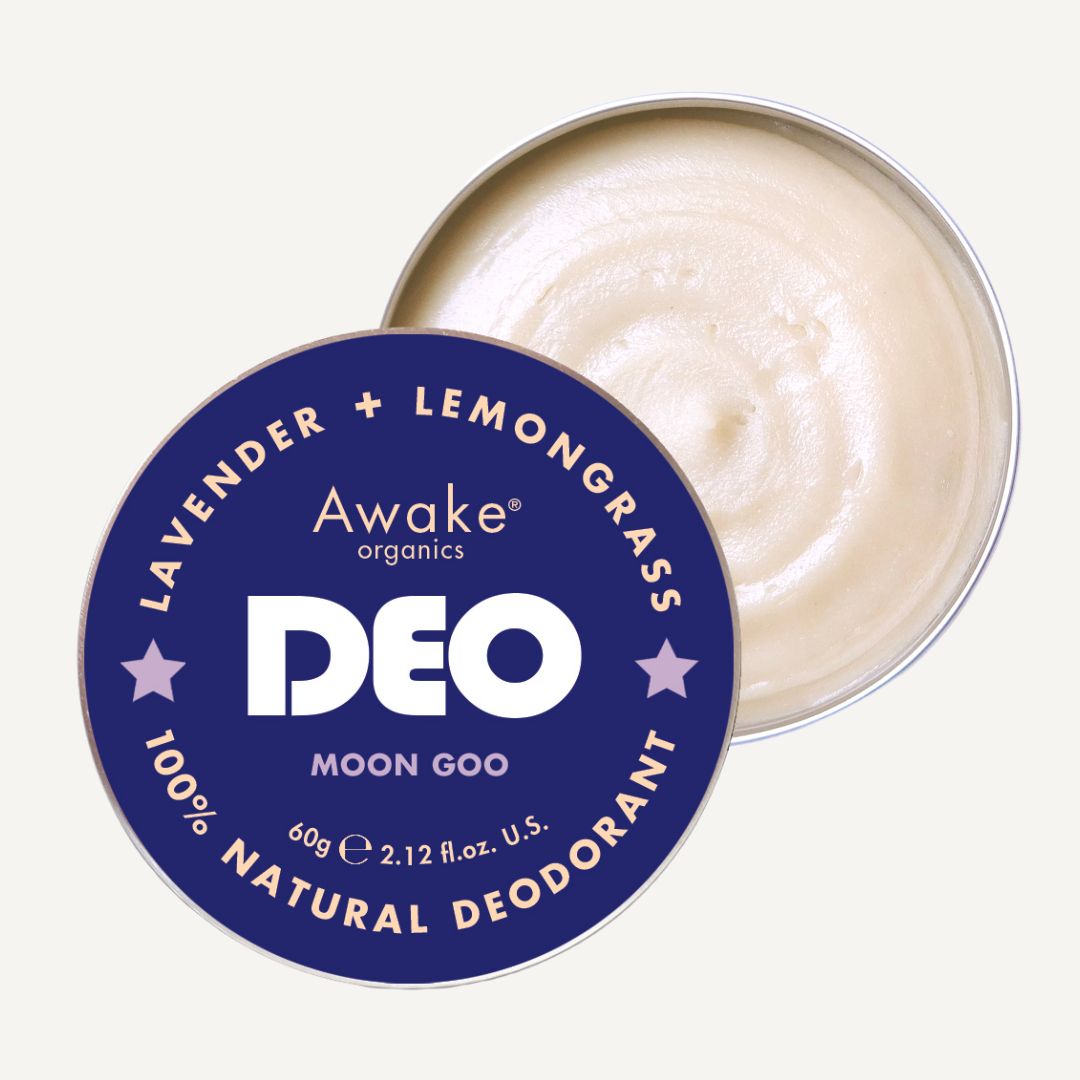
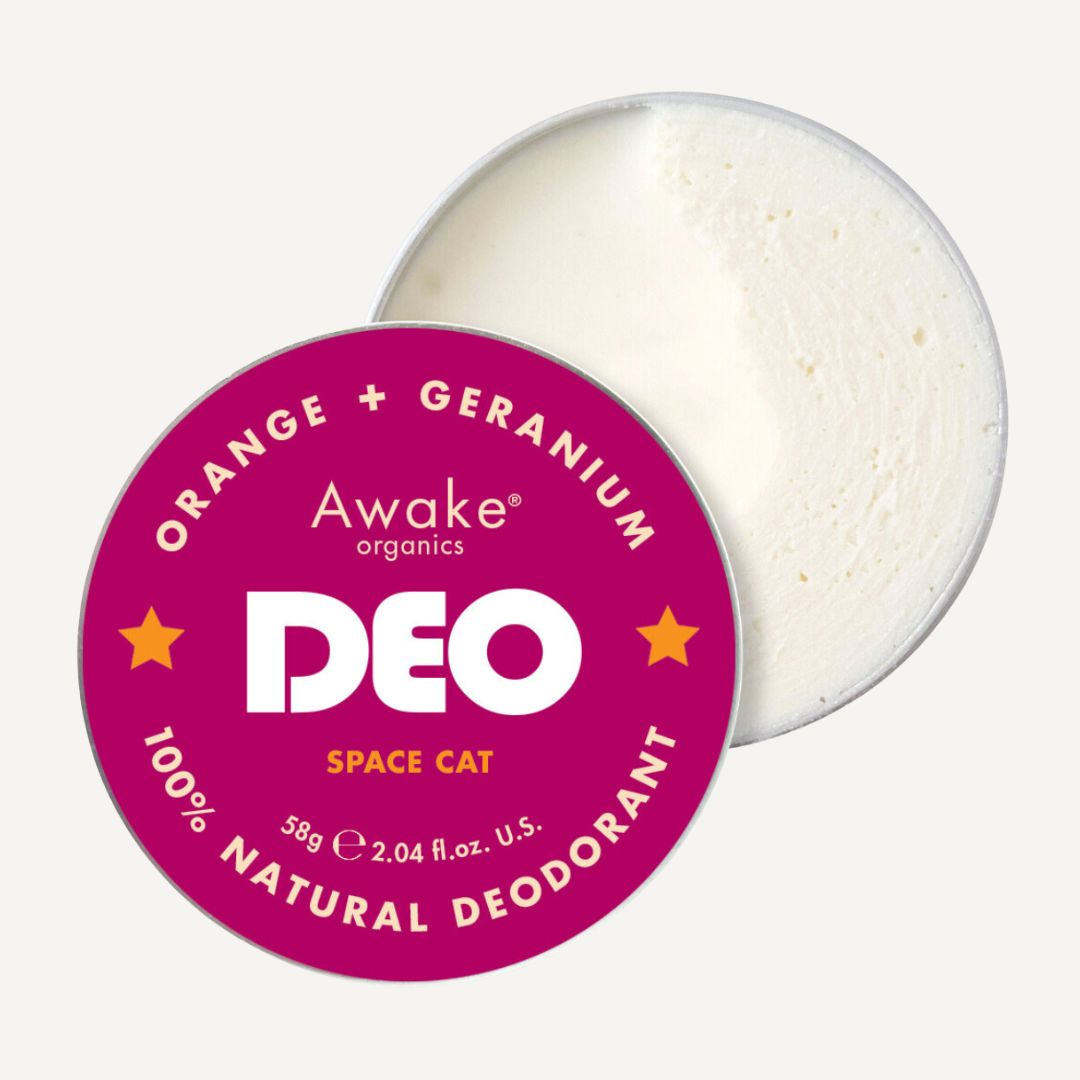
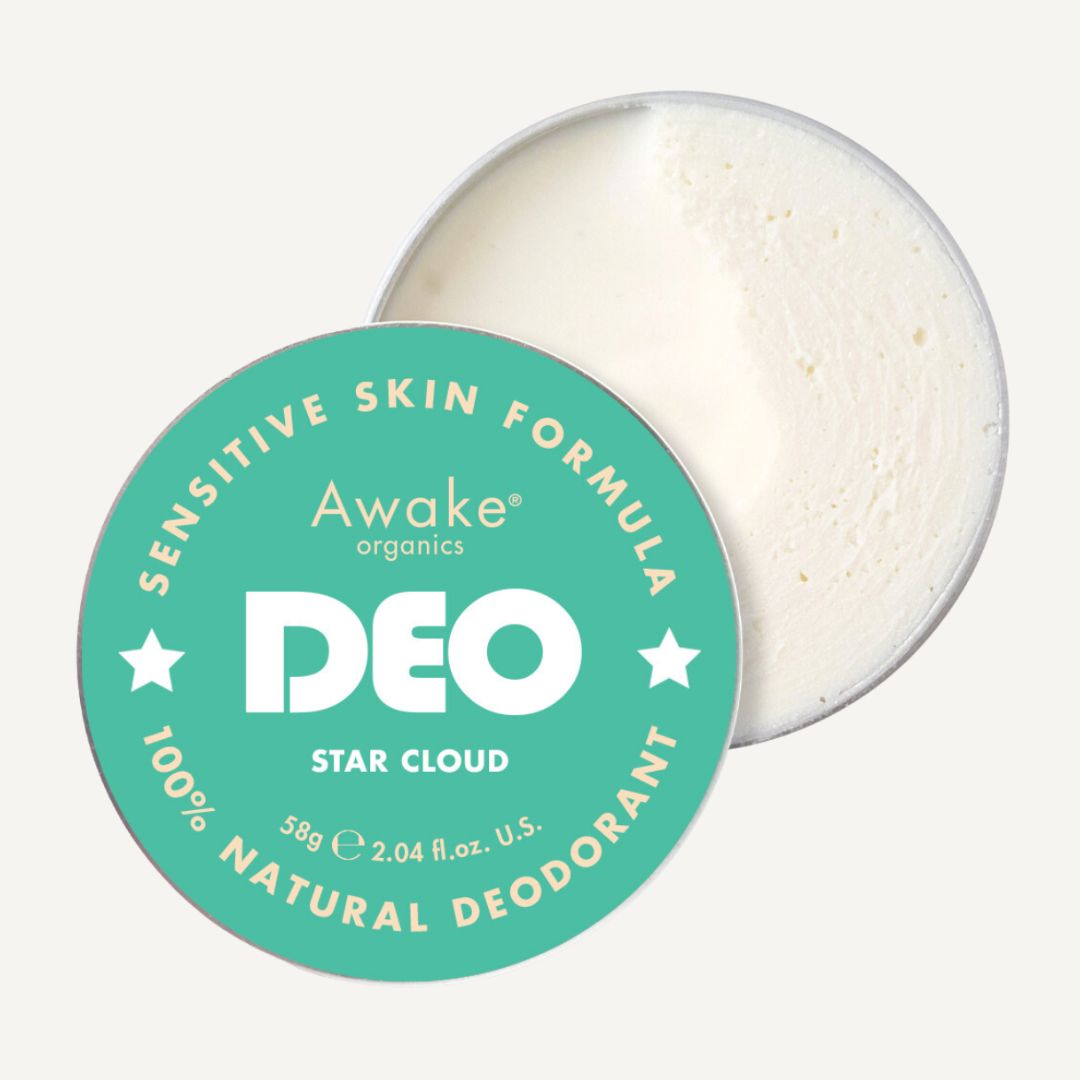
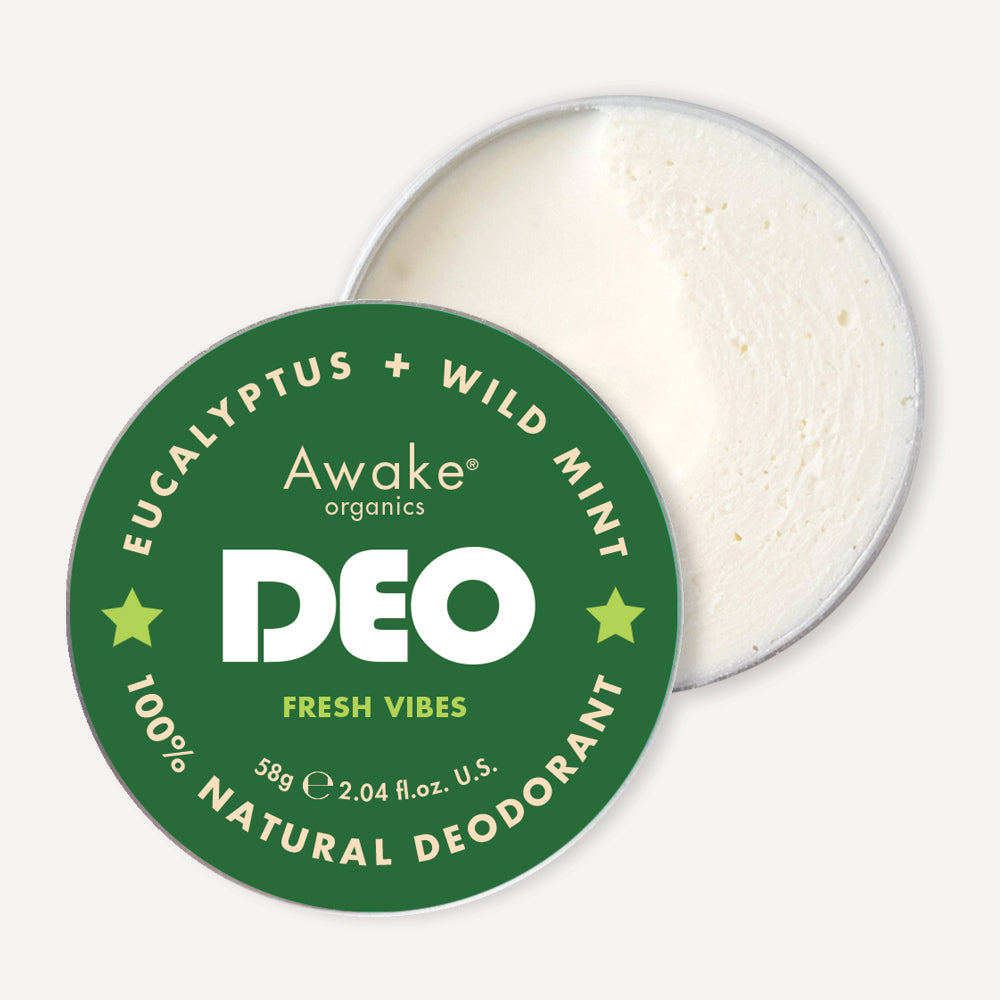
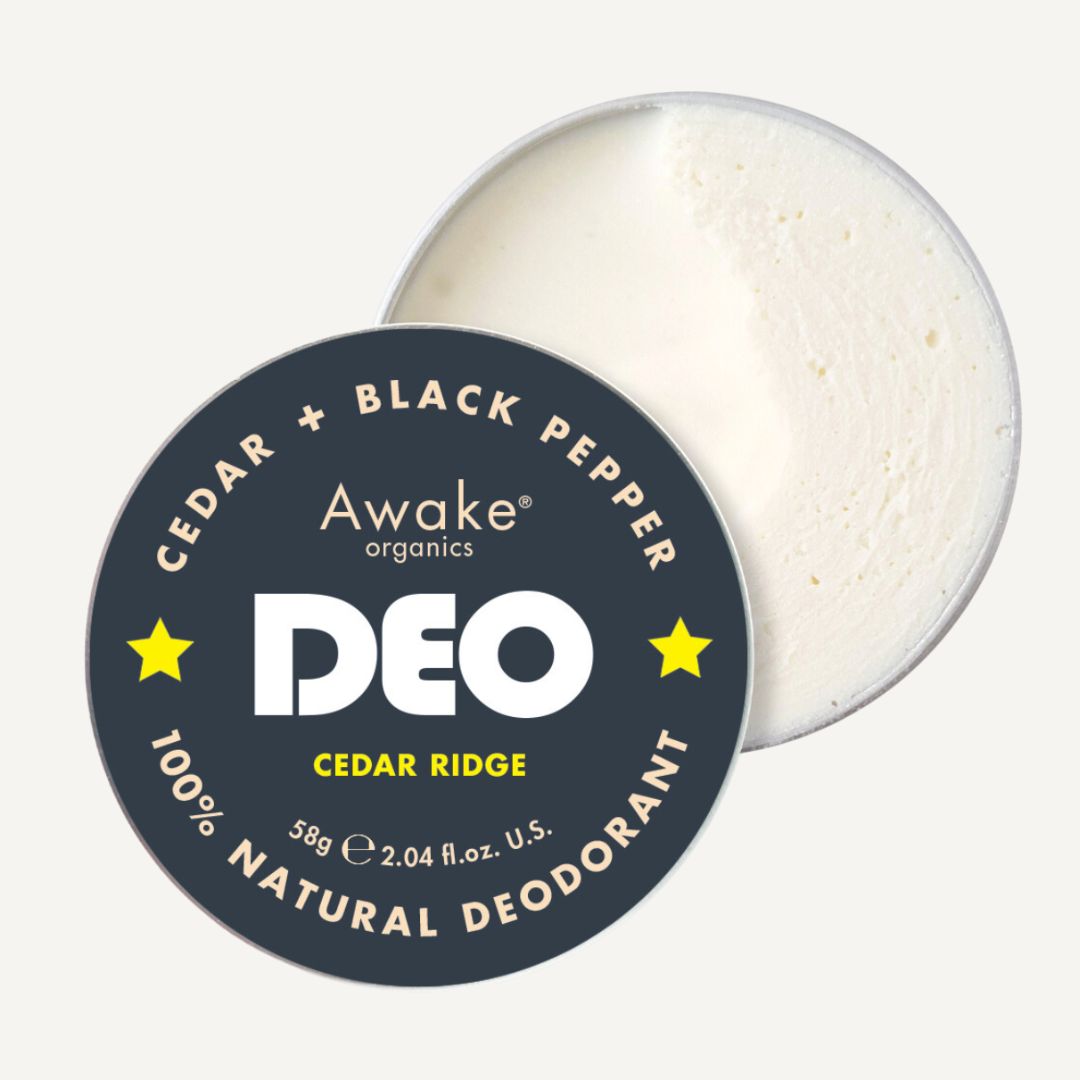
Switching your deodorant, haircare and skincare to natural alternatives is one of the easiest ways to cut your exposure to aluminium and to ingredients that may affect your hormones, such as some synthetic fragrance compounds. The 30-second habit: when something runs out, read the back of its replacement before you buy.
Your liver, kidneys and skin clear what your body doesn't need, and they do it well. What they respond to is how much you give them. Fewer, simpler products mean a lighter load, every day, for years.
4. Eat more garlic
When a recipe calls for a clove or two, use the whole bulb. Too much? We don't think so.
Give it 30 seconds with a knife or a crusher, then leave it on the board for about ten minutes before it goes in the pan. Crushing brings together an enzyme and a compound stored separately in the clove, and together they make allicin and the sulphur compounds garlic is known for. Heat destroys that enzyme quickly, and researchers found that letting crushed garlic stand for ten minutes before cooking helped protect its activity.4
Allicin is the reason garlic has such a long reputation as a kitchen remedy. In laboratory studies it acts against a broad range of bacteria, fungi and parasites,5 which goes a long way to explaining why generations of cooks have reached for it.
5. Check what's in your tap water
Most UK water companies add chlorine to disinfect the supply, which is the faint swimming pool smell you sometimes get from the tap. Around 10% of England also receives fluoridated water, at roughly 1mg per litre, mostly in the West Midlands and the North East.
UK health bodies support fluoridation, and there are serious arguments on both sides. The latest Cochrane review found that contemporary studies show smaller benefits than studies carried out before 1975, and much of the original evidence predates fluoride toothpaste being in every bathroom.6 What you drink every day should be your choice to make, with the facts in front of you.
It takes about 30 seconds to download a water quality report for your postcode from your supplier's website. It lists what they add and what they've measured, including chlorine, fluoride, pesticides and other contaminants. If you don't like what you see, a filter is the straightforward fix. Most jug filters reduce chlorine; removing fluoride needs reverse osmosis or activated alumina. For chlorine alone, there's an even simpler trick: fill a jug and leave it uncovered in the fridge overnight, and much of it will evaporate.
Common questions
How do you do a heavy metal detox bath?
Dissolve two cups of Epsom salt (and half a cup of bicarbonate of soda, if you like) in a comfortably warm bath. Soak for 15 to 20 minutes, rinse, moisturise while your skin is still damp, and drink a glass of water afterwards.
How does a Heavy Metal Detox Bath work?
The name comes from the traditional belief that Epsom salts help draw toxins, including heavy metals, out through the skin. While we can't claim that Epsom salts literally pull heavy metals from the body, a warm soak can support some of the things your body naturally does to look after itself. A warm bath raises your body temperature and can make you sweat, while the relaxing effect of a good soak can help you unwind and prepare for sleep. And sleep matters: it's an important time for the body to carry out its normal repair, recovery and waste clearance processes.
So rather than thinking of it as a bath that pulls heavy metals out, think of it as a supportive part of a healthy routine that helps your body do what it is already designed to do.
How long should you soak in an Epsom salt bath?
15 to 20 minutes is plenty. Longer soaks in hot water can leave skin dry and some people feeling light-headed.
How often can you take an Epsom salt bath?
Once to three times a week suits most people.
Is an Epsom salt bath safe for children?
Check with your GP or pharmacist first about how much salt to use, keep the water warm rather than hot, and always supervise. The same goes if you're pregnant or have a heart condition, diabetes or kidney problems.
References
1. Klein AV, Kiat H. Detox diets for toxin elimination and weight management: a critical review of the evidence. J Hum Nutr Diet. 2015;28(6):675-686. doi:10.1111/jhn.12286
2. Gröber U, Werner T, Vormann J, Kisters K. Myth or reality: transdermal magnesium? Nutrients. 2017;9(8):813. doi:10.3390/nu9080813
3. Haghayegh S, Khoshnevis S, Smolensky MH, Diller KR, Castriotta RJ. Before-bedtime passive body heating by warm shower or bath to improve sleep: a systematic review and meta-analysis. Sleep Med Rev. 2019;46:124-135. doi:10.1016/j.smrv.2019.04.008
4. Song K, Milner JA. The influence of heating on the anticancer properties of garlic. J Nutr. 2001;131(3s):1054S-1057S. doi:10.1093/jn/131.3.1054S
5. Ankri S, Mirelman D. Antimicrobial properties of allicin from garlic. Microbes Infect. 1999;1(2):125-129. doi:10.1016/S1286-4579(99)80003-3
6. Iheozor-Ejiofor Z, Walsh T, Lewis SR, et al. Water fluoridation for the prevention of dental caries. Cochrane Database Syst Rev. 2024;10:CD010856. doi:10.1002/14651858.CD010856.pub3