

There are a lot of beautiful plant oils out there. The trick is knowing what each one actually brings to your skincare routine, rather than assuming that the most exotic-sounding ingredient is automatically the best. These are the ten we come back to most for skin that is dry, mature or easily upset.

At Awake Organics, we look for oils with a reason to be there: naturally occurring fatty acids, antioxidants, vitamins and other skin-loving compounds that can help nourish, soften and protect the skin.
Here are 10 of our favourites, and what each one is really good at.
1. Organic Camellia Oil
Camellia oil has been part of traditional Japanese and Chinese beauty rituals for centuries, and for good reason. Cold-pressed and naturally rich in oleic acid and antioxidants, it is a lightweight, silky oil that suits dry, mature or easily dehydrated skin.
It absorbs beautifully without leaving a heavy, greasy finish and helps soften and condition the skin while supporting its natural moisture barrier. That combination is why it turns up so often in facial oils and lighter moisturisers, where you want nourishment without any weight.
2. Hemp Seed Oil
Hemp seed oil is one of our perennial favourites. Naturally rich in essential fatty acids, including omega-3 and omega-6, it has a beautifully balanced lipid profile and a lightweight feel on the skin.
It helps replenish the skin's lipid barrier and reduce moisture loss without feeling heavy, which makes it a useful ingredient in facial oils, cleansing products and moisturisers for skin that feels dry, tight or out of balance.
And despite its association with the cannabis plant, hemp seed oil contains no meaningful amount of CBD or THC. It is simply a wonderfully useful botanical oil in its own right.
3. Pumpkin Seed Oil
Pumpkin seed oil is one of those ingredients that quietly does a lot. Unrefined and cold-pressed, it contains essential fatty acids, vitamin E, zinc and other naturally occurring nutrients that help nourish and condition the skin.
Its rich, slightly nutty oil is particularly well suited to dry, tired or mature skin, helping to soften the complexion and support a healthy-looking skin barrier.
It is also an excellent source of naturally occurring linoleic acid, which is what makes it such a good fit for serums and richer treatments designed for skin that needs feeding without an overly heavy finish.
4. Wild Rosehip Seed Oil
Rosehip seed oil is a true skincare classic. Naturally rich in essential fatty acids and carotenoids, it is especially valued for its ability to nourish dry, weather-exposed and mature skin.
We use the certified organic, unrefined oil, which has that characteristic golden to reddish colour because it retains more of the naturally occurring compounds found in the seed.
It is particularly lovely in waterless formulas, where there is no need to heat the oil and potentially compromise some of its more delicate constituents.
Look for it in
- Facial oils and moisturisers made for dry, weather-exposed and mature skin.
5. Sea Buckthorn Oil
Sea buckthorn is a small berry with an impressive nutritional profile. Its cold-pressed oils contain a distinctive combination of fatty acids, including palmitoleic acid, as well as naturally occurring carotenoids, vitamin E and other antioxidants.
The result is a deeply nourishing botanical oil with a beautiful orange-golden colour, well suited to balms and treatments designed to comfort and replenish dry or stressed skin.
A little goes a long way, which is why you will often find sea buckthorn used as a concentrated ingredient rather than the main carrier oil.
6. Organic Evening Primrose Oil
Evening primrose oil is particularly valued for its high content of gamma-linolenic acid (GLA), an omega-6 fatty acid that plays an important role in the skin's lipid composition.
It is a lovely choice when skin feels dry, rough or depleted, helping to replenish and soften while supporting the skin's natural barrier. You will usually meet it in serums and moisturisers rather than on its own.
Because it is a relatively delicate oil, it is best used thoughtfully and protected from unnecessary heat, light and oxidation.
7. Bakuchiol
Bakuchiol isn't technically an oil, but we're including it because leaving it off this list would feel like cheating.
Retinol is a synthetic form of vitamin A and one of the best-known ingredients in skincare, with a serious reputation for softening the look of wrinkles, uneven pigmentation and crepey skin. The catch is that plenty of people can't get along with it. It can cause sensitivity and genuine irritation, and it makes skin more vulnerable to sun damage if worn during the day.
Bakuchiol, extracted from the seeds of the babchi plant, has become the natural alternative people reach for instead. It is effective but gentle, and it can be used morning and evening without most of the side effects retinol is known for. Research suggests it helps support skin-cell turnover and the skin's own structural framework, including collagen and elastin, which is what gives skin a firmer, bouncier look over time. It is also of interest for evening out the appearance of skin tone and uneven pigmentation.
The trade-off is patience. Bakuchiol generally takes longer than retinol to show comparable results, so it is worth giving it a proper run of consistent use before you judge it.
Look for it in
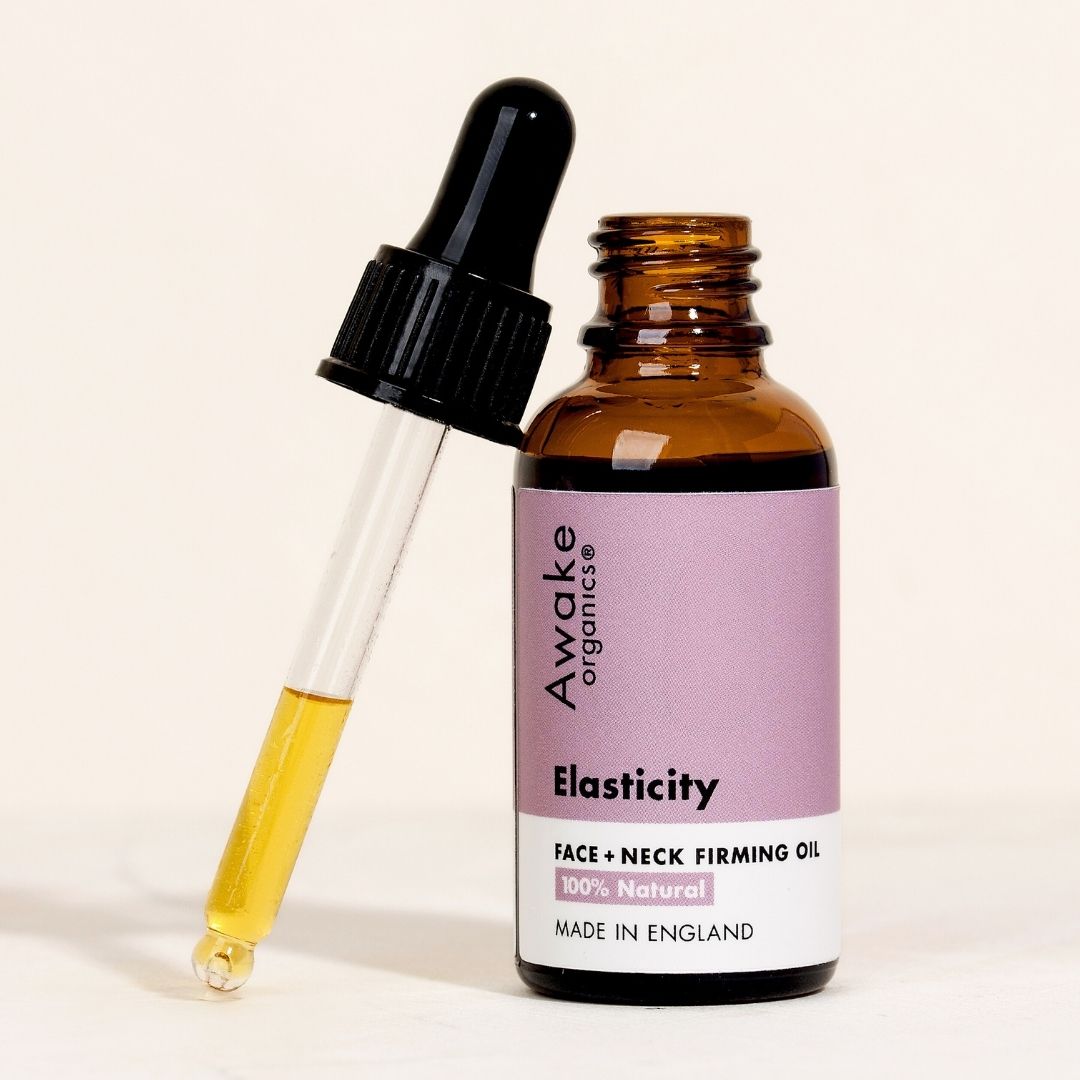
- Facial serums and targeted treatments for smoother, firmer-looking skin. It's the ingredient we built our Elasticity Face + Neck Firming Oil around, at 25 times the industry standard for a bakuchiol serum.
8. Organic Shea Butter
Shea butter is the heavyweight of this list, and sometimes heavyweight is exactly what dry skin needs.
Rich in fatty acids and naturally occurring unsaponifiable compounds, shea butter forms a protective, nourishing layer over the skin that helps reduce moisture loss and leaves dry skin feeling softer and more comfortable.
It is particularly useful for areas that need serious conditioning, from hands and elbows to very dry facial skin, which is why it does most of its work in balms and hand creams.
9. Black Seed Oil
Black seed oil, also known as black cumin seed oil, has a long history of traditional use and contains a distinctive combination of fatty acids and naturally occurring compounds, including thymoquinone.
It has a characteristically earthy aroma and makes a particularly interesting addition to formulas designed to nourish and support stressed or blemish-prone skin.
It is a potent oil, so it is often used as part of a carefully balanced blend rather than on its own.
10. Amla Oil
Amla, or Indian gooseberry, has a long history in Ayurvedic beauty traditions. The fruit is naturally rich in antioxidant compounds, and amla preparations have traditionally been used to nourish skin and hair.
In skincare, amla oil brings a wonderfully rich botanical character to formulas designed to condition and replenish the skin. It pairs particularly well with other antioxidant-rich plant oils.
11. Carrot Seed Oil
Yes, technically this makes eleven. But carrot seed oil deserves its own mention.
Carrot seed essential oil is steam-distilled from the seeds of Daucus carota and is valued for its distinctive aromatic profile and naturally occurring antioxidant compounds. It is especially interesting in skincare designed for dry, mature or weather-exposed skin.
Because it is an essential oil rather than a carrier oil, it should be used at appropriate cosmetic dilution rather than applied neat to the skin.
Why we choose our oils carefully
Not all plant oils are created equal, and the quality of an oil matters just as much as its name on the ingredient list.

Where possible, we look for oils that are unrefined, cold-pressed and minimally processed, so that more of their naturally occurring character remains intact. We also consider organic certification, sourcing, locality and the practices of the suppliers we work with.
And we don't believe skincare needs a laundry list of ingredients just for the sake of it. The best formulas are the ones where every ingredient has a job to do.
That's the approach we take at Awake Organics: thoughtful ingredients, carefully formulated, with nothing there just to make the label look impressive.
Common questions
Which oil should I choose for my skin type?
As a general guide, lighter oils like camellia and hemp seed suit skin that wants moisture without weight, while richer options like pumpkin seed, sea buckthorn and shea butter suit skin that feels genuinely dry or depleted. Most well-made formulas blend several oils rather than relying on one, so it is worth looking at the whole recipe instead of hunting for a single hero ingredient.
Will facial oils make oily or blemish-prone skin worse?
Not necessarily. Oils high in linoleic acid, such as hemp seed and pumpkin seed, tend to feel light and are often used in formulas for blemish-prone skin. If your skin is reactive, patch test first and start with a small amount, no more than a few drops.
What does cold-pressed and unrefined actually mean?
Cold-pressed means the oil was extracted mechanically, without added heat. Unrefined means it hasn't been bleached, deodorised or otherwise stripped back after pressing. Both processes leave more of the oil's naturally occurring colour, aroma and character intact, which is why unrefined rosehip is golden-red and unrefined sea buckthorn is deep orange.
Can I use these oils straight from the bottle?
Carrier oils like camellia, hemp seed and rosehip can be used on the skin as they are. Essential oils, including carrot seed, are a different matter and should only be used at appropriate cosmetic dilution within a properly formulated product. Never apply an essential oil neat.
Is bakuchiol as good as retinol?
They work differently and suit different people. Retinol is synthetic vitamin A and it works quickly, but it can bring sensitivity, irritation and increased sun vulnerability with it. Bakuchiol is a plant extract that is far gentler, can be used morning and evening, and is usually the better option for sensitive, reactive or easily irritated skin. The trade-off is time: bakuchiol generally takes longer to show comparable results, so it is worth giving it a proper run of consistent use before you judge it.
How should I store my oils?
Somewhere cool and dark, with the lid on properly. Heat, light and air are what shorten an oil's life. A bathroom shelf away from the window is fine. A sunny windowsill is not.