Top 7 Essential Oils for Stress, Anxiety, Depression & Insomnia
Which essential oils have research behind them, why inhaling them works so quickly, and how to fit them into a day without adding another thing to do.

In 2002, researchers reporting in the Japanese Journal of Pharmacology found that simply inhaling patchouli oil reduced sympathetic nervous activity, the body's fight-or-flight response, by around 40%.1 Considering that even before the pandemic one adult in six in England had a common mental disorder in any given week,2 aromatherapy begs to be at the forefront of our wellbeing arsenal. With the number of antidepressant items dispensed in England more than doubling in a decade,3 it would be wise to investigate alternative strategies.
Aromatherapy is the use of aromatic plant extracts and essential oils to promote physical and psychological wellbeing. These powerful botanicals are used worldwide in traditional medicine to help manage depression, anxiety, stress and insomnia.
We need more non-pharmaceutical options to help us cope with daily stress, anxiety, depression and problems sleeping.
Why scent reaches you so quickly
There's a reason a smell can drop you into a memory before you've had time to think about it.
When you inhale an essential oil, its aromatic molecules land on a patch of tissue high up inside the nose called the olfactory epithelium. Receptors there fire a signal straight to the olfactory bulb, which sits just above, tucked under the front of the brain.
The olfactory bulb connects directly into the limbic system, the older, deeper region that handles emotion, memory and the stress response. Smell is the only one of your senses that gets there without being routed through the thalamus first, the brain's usual sorting office for incoming information.
That's the whole basis of aromatherapy, and it's why inhaling an oil tends to shift how you feel faster than you can explain why. It isn't magic and it isn't purely suggestion. It's anatomy.
Can inhaling essential oils help boost your mood?
Research has shown there are certain essential oils that may be beneficial. If you're incorporating aromatherapy into your personal care routine, look for products that contain organic, undiluted essential oils from the list below.
Top 7 essential oils for anxiety, stress, depression and insomnia
1. Frankincense
This resin has been burned in ritual and used in traditional medicine for thousands of years. In aromatherapy it's valued as a quieting, sedative oil, one that encourages stillness and introspection and takes the edge off anxiety, anger and stress.
2. Patchouli
A soothing oil that works by stabilising and grounding the mind. It's traditionally used to ease feelings of anxiety and low mood, and to support recovery from nervous stress and exhaustion. The 2002 study above is one of the few to put a number on that effect.1
3. Lavender
The most studied of all the calming oils. In one trial, volunteers who inhaled lavender oil reported lower stress during a needle insertion procedure.4 It's also been investigated for effects on anxiety, aggression and cortisol.
4. Carrot Seed
Slightly sweet, woody and earthy, this oil has a grounding effect yet is also revitalising to the nervous system. Carrot Seed aids mental clarity, calms anxiety and strengthens your inner ability to let go and move on.
5. Rose Geranium
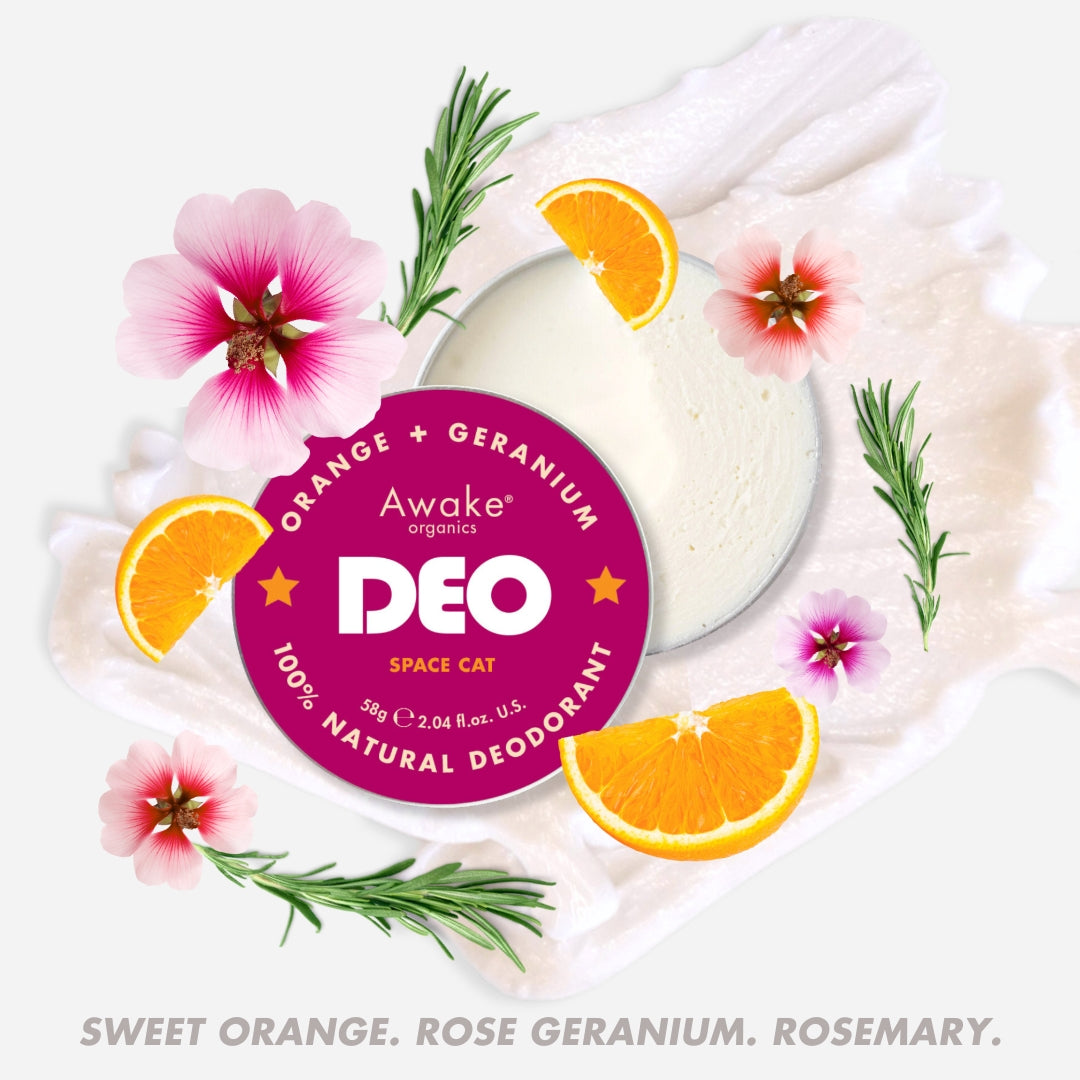
This bright and rosy aroma is one that everyone loves. Instantly calming, Rose Geranium has long been turned to in aromatherapy during times of hormonal change, and promotes feelings of relaxation.
6. Rosemary
A mental stimulant, traditionally used to lift flat, tired mood and counter nervous exhaustion, frequent mood swings and stress. Inhaling the evergreen aroma of this oil will enhance mental clarity, relaxation and help keep your thoughts positive.
7. Grapefruit
A wonderful energising oil that helps lift your mood and ease nausea. Good for the mornings that start slowly.
How to use essential oils for stress and anxiety
The research above is all inhalation, so this is simpler than it looks. You don't need equipment and you don't need a ritual. You need the oil somewhere near your nose.
Four ways that work
- Straight from the bottle. Two or three slow breaths over an open bottle. Unglamorous, takes ten seconds, works.
- In a diffuser. Good for a room you're spending real time in. Five to ten drops in water, run it for twenty or thirty minutes rather than all evening. Your nose stops registering a scent it's been soaking in, so short bursts do more than constant exposure.
- On your pillow. A drop or two of lavender on a tissue tucked inside the pillowcase, rather than on the fabric itself.
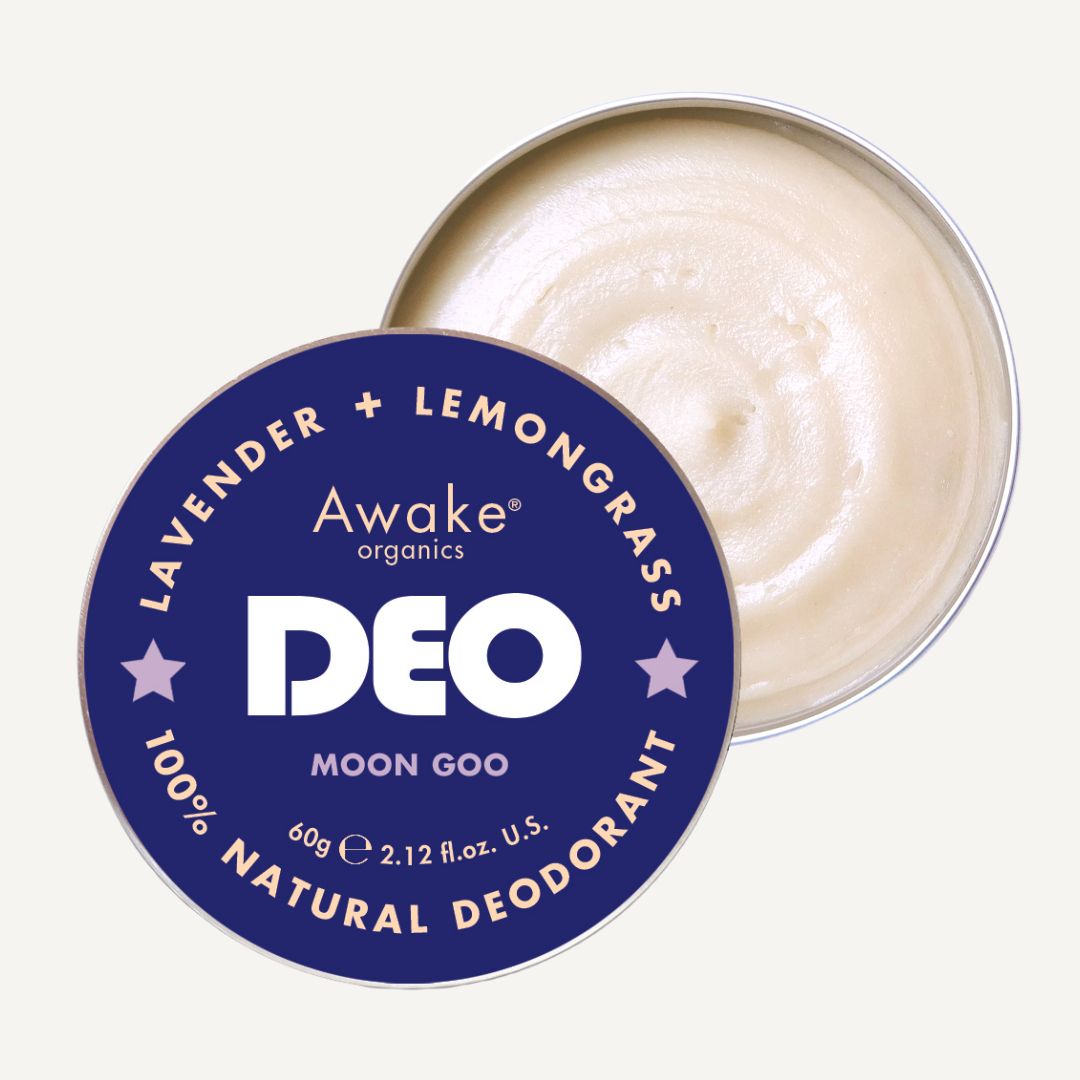
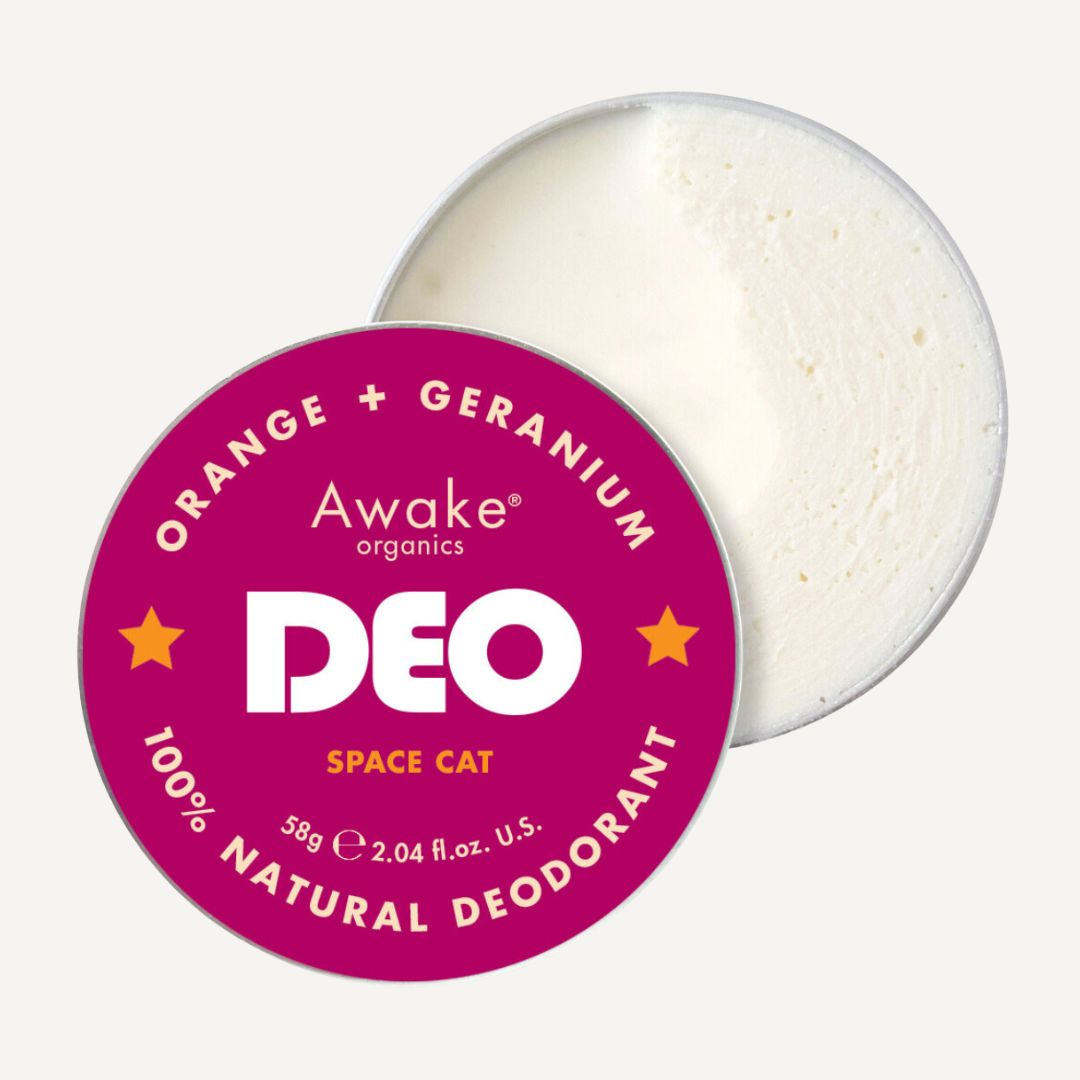
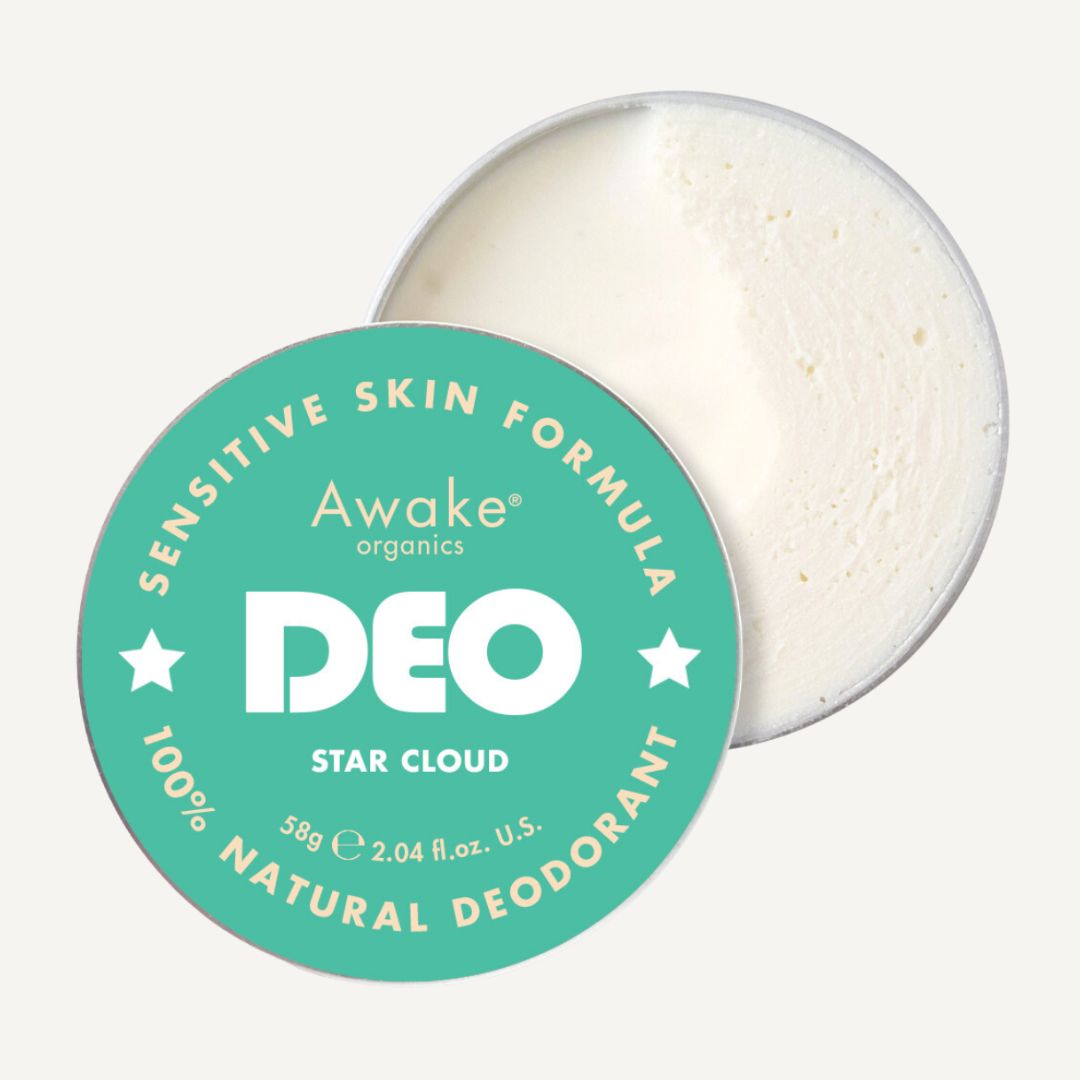
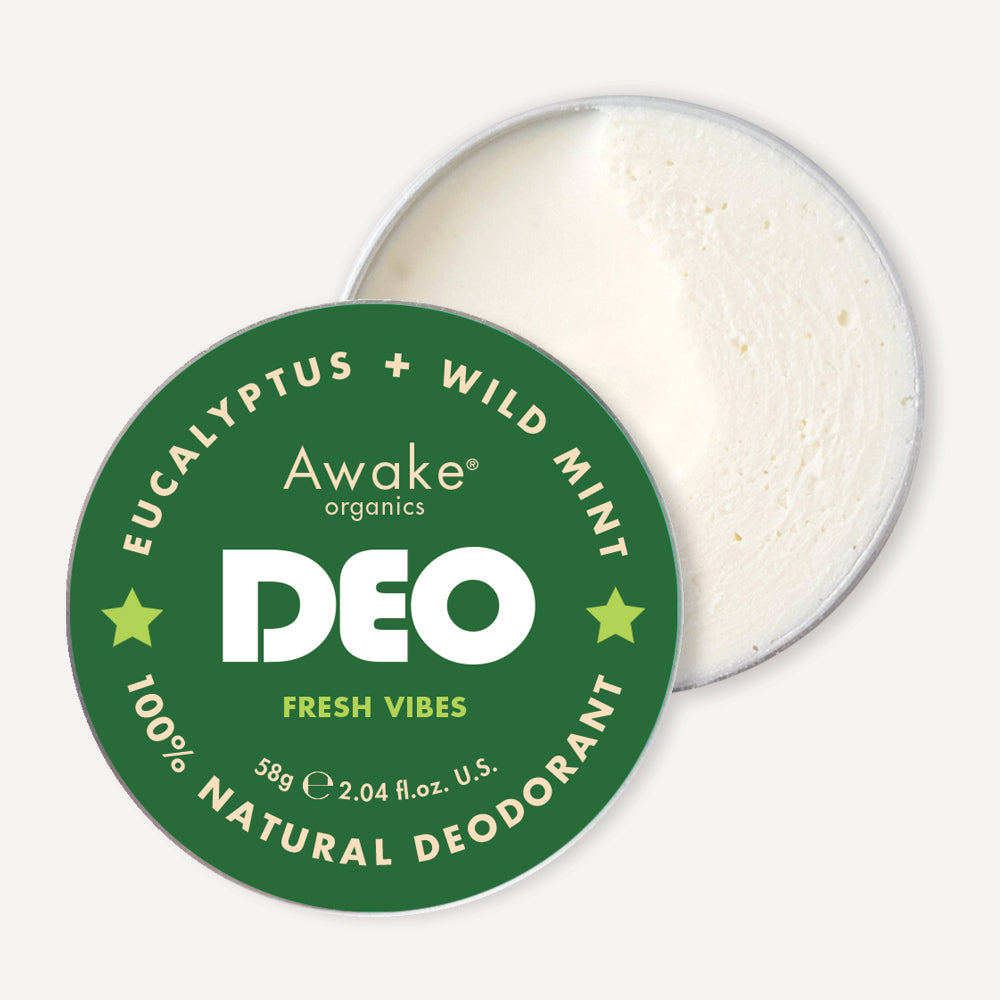
- Worn on your skin, in something you already use. A scented moisturiser, balm or deodorant puts the oil somewhere warm and close, and body heat keeps releasing it through the day.
That last one is the one most people overlook. Wearing an oil means you end up breathing it without ever deciding to. Natural deodorant is particularly well placed for this, sitting a few inches from where you breathe, which is why we scent ours with real essential oils rather than fragrance.
A few sensible notes while you're at it. Essential oils are concentrated and belong diluted in a carrier oil or a finished product, not neat on skin. Patch test anything new on your inner arm and leave it a day.
Common questions
Which essential oil is best for anxiety?
Lavender has the most research behind it, and patchouli is the one with a measured effect on the fight-or-flight response. But scent is personal in a way most things aren't. An oil you find unpleasant won't relax you regardless of what the studies say, so start with the one you actually like the smell of.
Does aromatherapy really work, or is it just placebo?
There's a real mechanism, in that inhaled scent reaches the limbic system directly. There's also measurable evidence in small studies. That said, expectation and association play a genuine part, and it's very difficult to run a blinded trial on something the participant can smell. Both things are true at once.
Can I put essential oils directly on my skin?
Not undiluted. They're highly concentrated and can cause irritation or sensitisation over time. Use them in a carrier oil or in a product that's already been formulated with them at a safe level.
How long does the effect last?
Inhalation tends to work quickly and fade fairly quickly, often within an hour or so. That's why wearing an oil in something like a balm or deodorant suits daily use better than a single deep breath from the bottle does.
What's the difference between an essential oil and a fragrance oil?
An essential oil is distilled or pressed from the plant itself. A fragrance oil is made in a lab to smell like something, and may contain no plant material at all. Only the first carries the aromatic compounds the research is looking at.
References
1. Haze S, Sakai K, Gozu Y. Effects of fragrance inhalation on sympathetic activity in normal adults. Japanese Journal of Pharmacology. 2002;90(3):247-253. doi:10.1254/jjp.90.247
2. McManus S, Bebbington P, Jenkins R, Brugha T, eds. Mental Health and Wellbeing in England: Adult Psychiatric Morbidity Survey 2014. NHS Digital, 2016. digital.nhs.uk
3. NHS Digital. Prescriptions Dispensed in the Community, England 2006 to 2016. Published 2017. digital.nhs.uk
4. Kim S, Kim HJ, Yeo JS, Hong SJ, Lee JM, Jeon Y. The effect of lavender oil on stress, bispectral index values, and needle insertion pain in volunteers. Journal of Alternative and Complementary Medicine. 2011;17(9):823-826. PMID: 21854199