

For most people, the research points the other way. Botox between the brows has been linked with a lighter mood, not a lower one. The more interesting story is what happens when your face can't quite join up with how you feel.

Your face talks back to your brain
We tend to think of expressions as a readout. You feel happy, so you smile. But the conversation runs both ways. Charles Darwin suggested as much in 1872,1 and the idea now has a name: the facial feedback hypothesis.
Charles Darwin, The Expression of the Emotions in Man and Animals, 1872
For years the evidence went back and forth. Then in 2022, a large group of researchers (sceptics included) ran the same experiment with 3,878 people across 19 countries. Deliberately smiling nudged happiness up, both on its own and when people were already looking at something pleasant.2 The effect is modest, but it's there.
What Botox does to that conversation
Botox works by relaxing the muscle it's injected into. Fewer frowns, softer lines. It also means that muscle sends a quieter signal back to the brain, and researchers have been curious about what that changes.
Two studies stand out. In the first, women who'd had Botox for frown lines were slower to read sentences describing angry or sad situations afterwards, as if their brains had to work a little harder without the frown to help.3 In the second, people who'd had Botox were less accurate at reading emotion in other people's faces than people who'd had filler, which plumps the skin without stilling the muscles.4
So does it make you depressed?
Frown lines: the research leans the other way
A 2009 Cardiff study found that people treated for frown lines reported less negative mood than people who'd had other cosmetic treatments.5 The thinking is simple: if you can't frown as fully, low feelings have a little less to hold on to.
That idea has since been tested in people living with depression. In a 2012 randomised trial, a single round of injections between the brows eased symptoms more than a placebo in people whose medication hadn't been enough on its own.6 And a 2020 analysis of more than 40,000 reports in the US drug safety database found that people having Botox (for wrinkles, migraines and other conditions) reported depression less often than people treated another way for the same thing.7
It isn't an approved treatment for depression, and the trials have a built-in wrinkle: it's hard to hide from someone that their frown has gone. But across very different kinds of study, the direction is consistent.
Crow's feet: a small question mark
Laughter lines are a different muscle with a different job. They come from the ring of muscle around the eye that crinkles when you smile properly, the kind of smile psychologists call a Duchenne smile.
In 2018, the same Cardiff researcher compared 36 women: some treated for frown lines only, some for frown lines and crow's feet, and some who'd had no Botox at all. The frown-lines-only group's mood improved. The crow's feet group's didn't, and their depression scores edged up instead.8 It was a small study and that rise wasn't statistically significant, so it's a question rather than a finding. Still, it's exactly the kind of thing I'd want to know.
What the research suggests, in brief
- Your face feeds your mood. Deliberately smiling can lift happiness a little.
- Frown lines: Botox between the brows has been linked with a lighter mood, not a lower one.
- Crow's feet: one small study saw mood fail to lift when laughter lines were treated too.
- Reading others: stilling facial muscles may make other people's emotions slightly harder to read.
What I make of it
Botox and filler work well for plenty of women, and feeling good in your own face is a fine reason to choose either. What I find interesting is what this research adds to the picture.
Your face isn't only how you look. It's part of how you feel. So if you're weighing it up, it's worth asking your practitioner which muscles they plan to treat, and having a think about which expressions you'd miss.
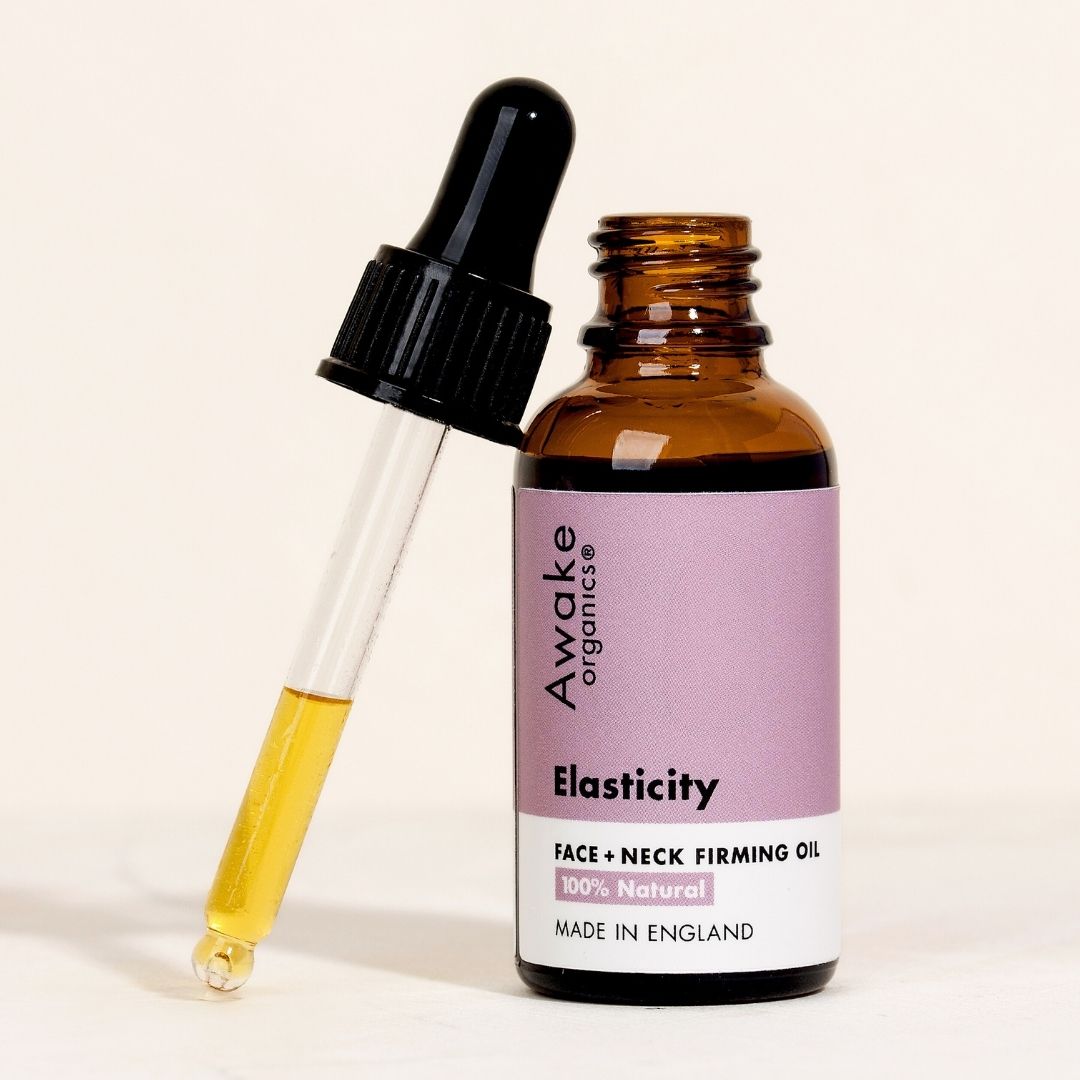
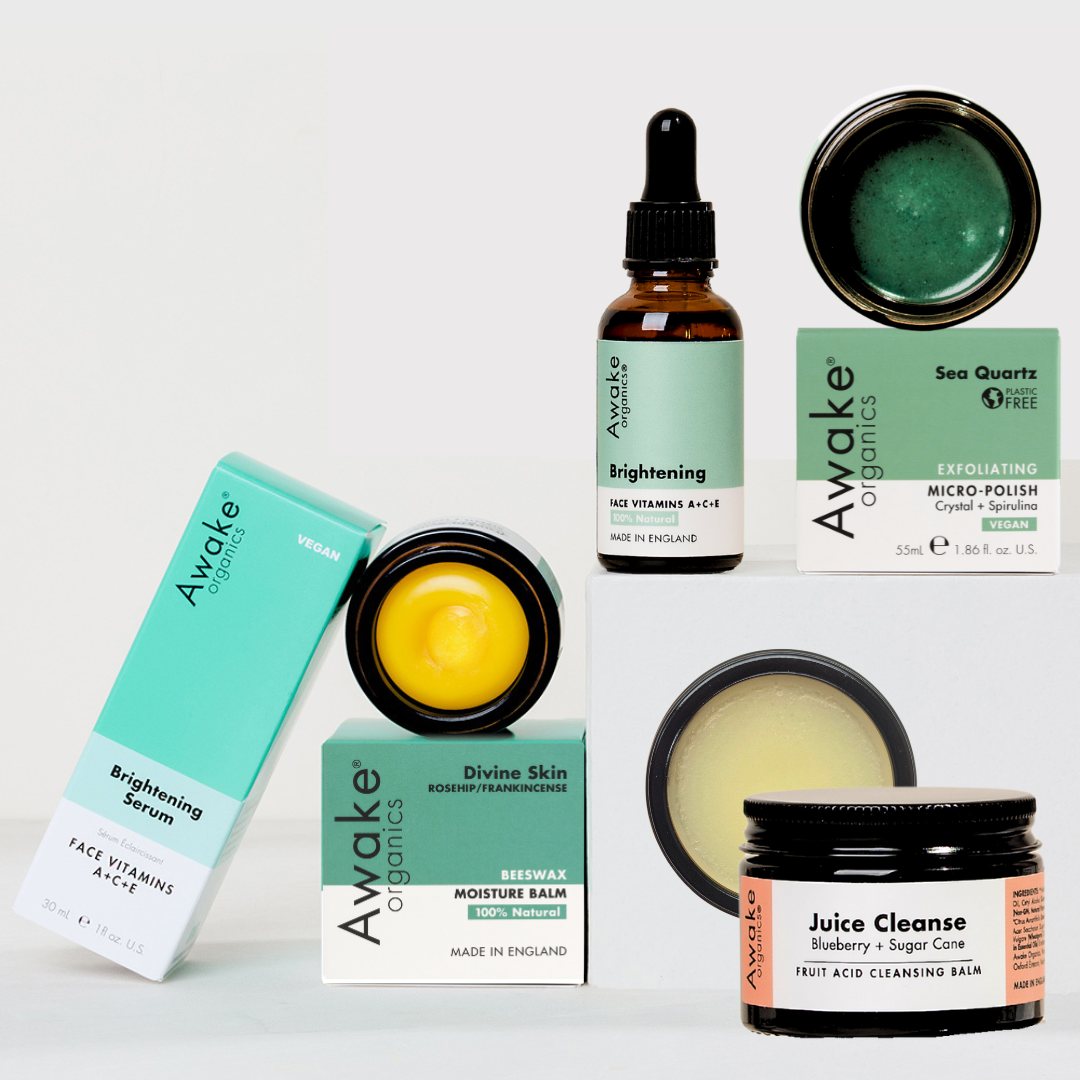
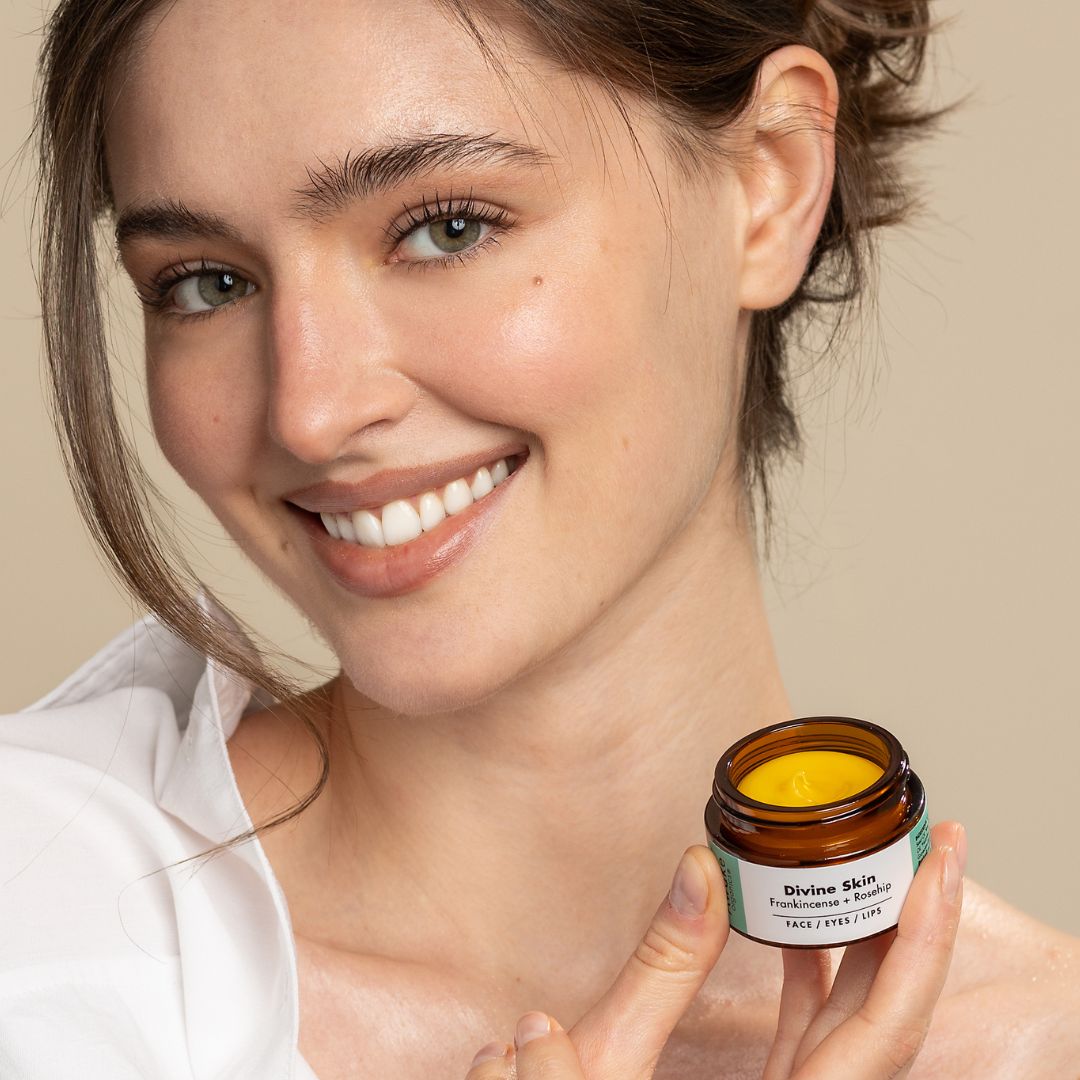
And if you'd rather keep every line and simply look after the skin around them, that's what we make things for. Our Face & Neck Firming Oil carries 25% bakuchiol, the plant extract we reach for as a gentle alternative to retinol, and our Divine Skin Beeswax Super Balm is the one I'd hand to anyone whose skin feels tight and dry.
Try this
Check in with how you feel right now. Then pull the corners of your mouth up towards your ears and hold a big, slightly silly smile for 40 seconds (best done alone). Check in again.
Notice a small lift? That's your face talking back.
Common questions
Can Botox make you feel less happy?
There's early evidence it might, depending on where it goes. In one small 2018 study, the mood lift seen after frown-line treatment didn't happen when crow's feet were treated as well. It needs more research before anyone can say for sure.
Is Botox used to treat depression?
It's being studied. Several trials have found that injections between the brows eased symptoms, but it isn't an approved treatment. If your mood has been low for a while, your GP is the best place to start that conversation.
Does Botox affect how you read other people's emotions?
Possibly, a little. We read faces partly by mirroring them without realising. In one study, people who'd had Botox were less accurate at recognising emotions than people who'd had filler.
Does filler affect mood in the same way?
Filler adds volume rather than relaxing muscles, so it doesn't quieten facial feedback in the same way. That's exactly why researchers used it as the comparison group when studying Botox.
Does smiling really make you happier?
A little, yes. A 2022 study of nearly 4,000 people in 19 countries found that deliberately smiling nudged happiness up. It won't fix a hard week, but it's a lovely thing to know.
References
1. Darwin C. The Expression of the Emotions in Man and Animals. London: John Murray; 1872.
2. Coles NA, March DS, Marmolejo-Ramos F, et al. A multi-lab test of the facial feedback hypothesis by the Many Smiles Collaboration. Nature Human Behaviour. 2022;6:1731-1742. doi:10.1038/s41562-022-01458-9
3. Havas DA, Glenberg AM, Gutowski KA, Lucarelli MJ, Davidson RJ. Cosmetic use of botulinum toxin-A affects processing of emotional language. Psychological Science. 2010;21(7):895-900. doi:10.1177/0956797610374742
4. Neal DT, Chartrand TL. Embodied emotion perception: amplifying and dampening facial feedback modulates emotion perception accuracy. Social Psychological and Personality Science. 2011;2(6):673-678. doi:10.1177/1948550611406138
5. Lewis MB, Bowler PJ. Botulinum toxin cosmetic therapy correlates with a more positive mood. Journal of Cosmetic Dermatology. 2009;8(1):24-26.
6. Wollmer MA, de Boer C, Kalak N, et al. Facing depression with botulinum toxin: a randomized controlled trial. Journal of Psychiatric Research. 2012;46(5):574-581. doi:10.1016/j.jpsychires.2012.01.027
7. Makunts T, Wollmer MA, Abagyan R. Postmarketing safety surveillance data reveals antidepressant effects of botulinum toxin across various indications and injection sites. Scientific Reports. 2020;10:12851. doi:10.1038/s41598-020-69773-7
8. Lewis MB. The interactions between botulinum-toxin-based facial treatments and embodied emotions. Scientific Reports. 2018;8:14720. doi:10.1038/s41598-018-33119-1