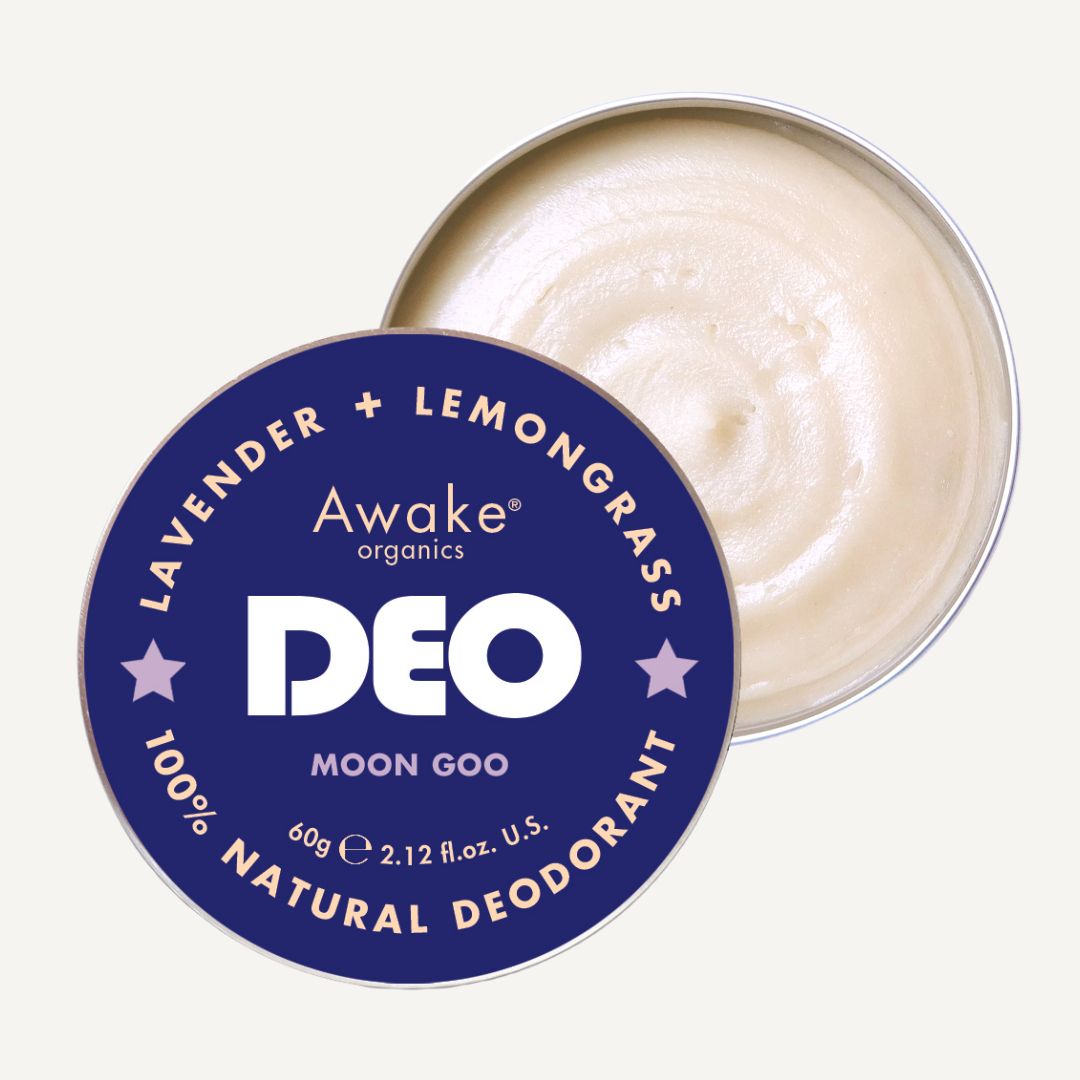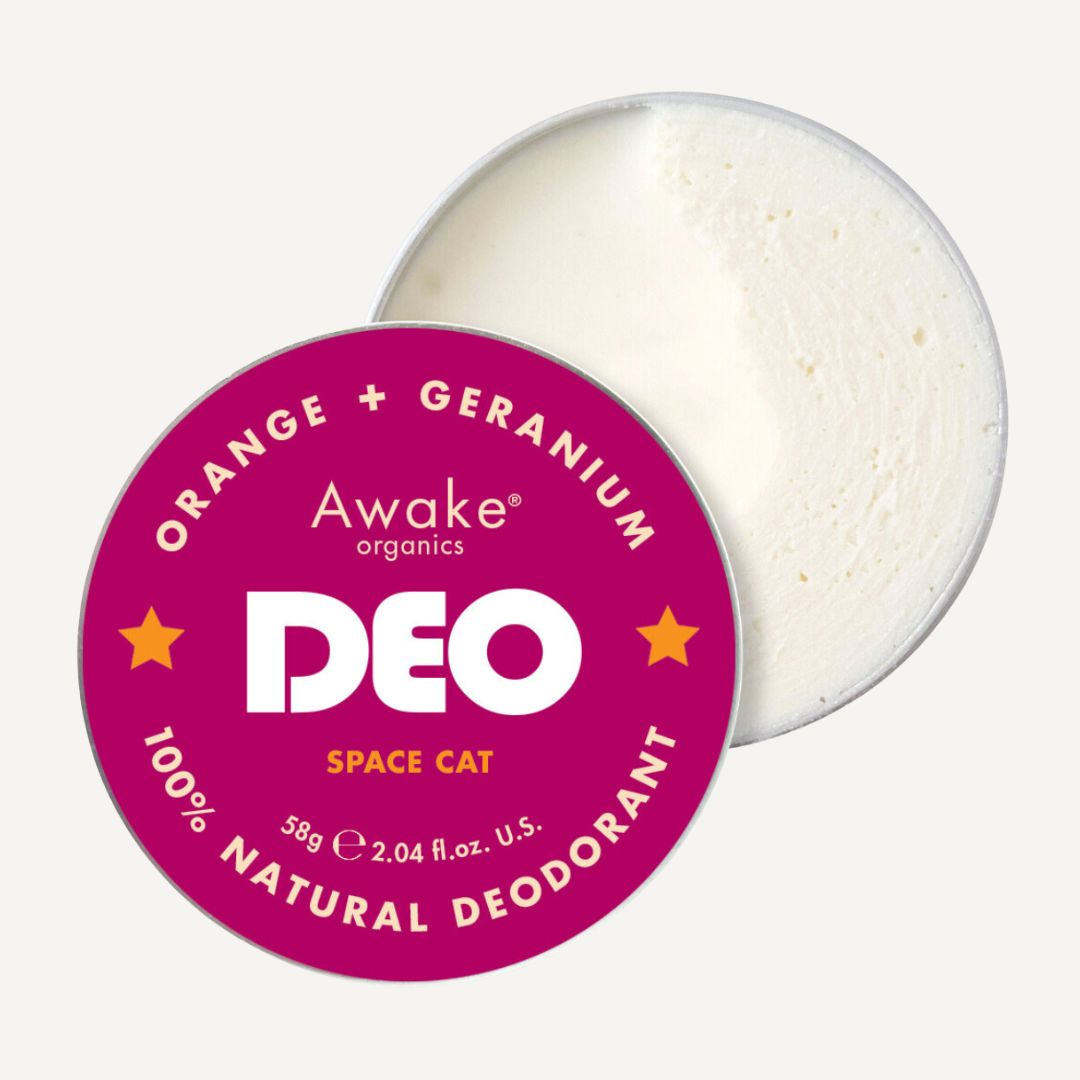


Ask around and you'll get two answers, both delivered with total confidence. Some people have used nothing else for a decade. Others tried it for a fortnight and binned it. Both are telling the truth, and the reason comes down to a mix-up about what natural deodorant is for in the first place.
The question behind the question
When someone asks whether natural deodorant works, they usually mean one of two things. Will I smell? Or will I sweat?
Those need separate answers.
Antiperspirants use aluminium salts to form soft plugs in your sweat ducts, which stops perspiration reaching the surface. Deodorant has no equivalent mechanism, and neither does any plant. So yes, you'll still sweat. If that's the thing you're trying to stop, no natural product is going to give it to you, and anyone telling you otherwise is selling you something.
What deodorant does is deal with the smell. Which, for most of us, was the actual problem.
Where the smell comes from
Fresh sweat is mostly water and salt. From the apocrine glands under your arms you also get some proteins and fats, but on its own it's very close to odourless.
The smell arrives about an hour later, when the bacteria that live on your skin start breaking those compounds down. Two families do most of the work, Staphylococcus and Corynebacterium, and the by-products they produce are what you can actually detect.
That gap between sweating and smelling is the whole opportunity. You don't have to stop the first thing to prevent the second.
What the ingredients are doing
A well-made natural deodorant works on several fronts at once.
What's in a natural deodorant, and why
- Odour-managing botanicals. Cedarwood, rosemary, geranium and lavender have been valued for centuries for keeping skin fresh, and they work on the bacterial activity behind the smell rather than covering it up.
- Moisture absorbers. Arrowroot starch soaks up surface moisture, and a drier underarm is simply less welcoming to the bacteria doing the smelling.
- Bicarbonate of soda. One of the most effective odour ingredients available to a natural formula, and the reason extra strength options work as well as they do.
- Magnesium. Neutralises odour gently, which makes it the answer for skin that would rather not meet bicarb.
- Probiotics. Odour comes from a bacterial imbalance, so rather than trying to wipe the slate clean, these encourage a friendlier population to establish itself.
- Shea butter, coconut oil and vitamin E. These carry everything else, keep the formula comfortable on skin that gets shaved regularly, and help it stay where you put it.
It's also why a natural deodorant smells like something that grew, rather than like a perfume counter.
None of that will give you the bone-dry feeling you might be used to. What you get instead is a normal amount of perspiration that doesn't turn into a smell. Most people find that a fair trade, and some find it better, because their skin stops being annoyed with them.
What actually changes in the first few weeks
The deodorant does its job from the first morning. What takes some getting used to is you.
Your sweat ducts have been plugged, possibly for years. When you stop using an antiperspirant they open up again, and you'll notice moisture you haven't felt in a long time. That's your body doing exactly what it's supposed to, but if you've spent a decade not sweating under your arms, it can feel like something has gone wrong.
It hasn't. Check whether you smell, because that's the thing the product is actually responsible for. The damp feeling settles as you get used to it, and most people stop noticing within a few weeks.
Bicarb, and why it suits some skin and not others
Bicarbonate of soda is one of the most effective odour ingredients available to a natural formula. That's not a small thing, and it's why bicarb sits in the extra strength options. If you want the most odour control a natural deodorant can give you, that's where it comes from.
It's also alkaline, and your skin is mildly acidic. For plenty of people that difference is a complete non-event and bicarb is simply the thing that works. For others it shows up as redness, itching, or a rash in the fold of the arm, sometimes a week or two in rather than straight away. It's more likely if you shave, and more likely again in hot weather.
Neither response is unusual, and neither means the ingredient is a problem. It's the same reason some people wear wool happily and others can't get near it.
What matters is matching the formula to your skin. If bicarb suits you, use it and get the benefit. If it doesn't, bicarb-free formulas handle odour with arrowroot starch, magnesium and probiotics instead.
The mistake worth avoiding is concluding that natural deodorant doesn't work for you, when what actually happened is you met one ingredient your skin didn't care for.
Getting the best out of it
Natural deodorant asks slightly more of you than an aerosol. None of it is difficult.
- Apply to clean, dry skin. Straight out of the shower, once you've properly dried off.
- Use less than you think. A thin, even layer. Too much is the usual cause of marks on clothes.
- Give it a minute before you dress. Natural butters need a moment to settle.
- Top up if the day calls for it. A second application before the evening is completely normal.
- Don't shave and apply in the same five minutes. Freshly shaved skin stings with almost anything.
Who it suits
Natural deodorant works well if you sweat a normal amount, live somewhere temperate, would rather not block perspiration, or have skin that has never been happy with conventional products. That covers most people, most days.
It may not be enough on its own if you sweat heavily, train hard every day, or work somewhere hot. An extra strength formula gets a lot of people there. Some will still want an antiperspirant for particular occasions, and using both depending on the day is a reasonable approach.
So, does it work? For odour, yes. For sweat, no, and nothing natural will. Knowing that going in is most of the battle, and it's the difference between the people who get on with it and the people who gave up early.
Common questions
How long does natural deodorant take to work?
It works from the first application. What takes adjusting to is the sweating, which comes back once you stop using an antiperspirant. That feels unfamiliar for a few weeks if you've spent years not perspiring under your arms, but it's separate from whether the deodorant is doing its job. Judge it on whether you smell.
Why am I sweating more since I switched?
You aren't sweating more than your body intends to. You've stopped suppressing it. Antiperspirant plugs the sweat ducts, so when you stop, normal perspiration returns.
Why does natural deodorant make me itch or come out in a rash?
Usually bicarbonate of soda, which is alkaline where your skin is mildly acidic. Most people are fine with it, but a minority react, sometimes a week or two after starting rather than straight away. It isn't a fault in the ingredient, just a mismatch with your skin. A bicarb-free formula usually sorts it completely.
Is bicarb-free as effective as bicarb?
For most people, yes. Bicarb has the edge on the heaviest odour days, which is why it sits in the extra strength options. Bicarb-free formulas use magnesium, arrowroot starch and probiotics to do the same job, and they suit anyone whose skin reacts. It's a question of matching the formula to your skin rather than one being better than the other.
Do probiotic deodorants work better?
The thinking is sound. Odour comes from the bacteria on your skin, so encouraging a friendlier balance is a sensible thing to aim at, which is why we include them. Research into the underarm microbiome is still fairly young, so it's early to say how much of the work the probiotics are doing on their own. They sit alongside the botanicals and the moisture absorbers rather than replacing them.
Will it mark my clothes?
Usually only if you apply too much or dress before it has settled. Natural butters and oils can leave a mark on fabric while they're still wet. A thin layer and a minute's patience prevents nearly all of it.
Can I use natural deodorant after shaving?
Better to leave a gap. Freshly shaved skin has micro-cuts in it that sting when anything goes on them. Shaving in the evening and applying the next morning is the easiest fix.
Does natural deodorant help with dark underarms?
Darkening is often down to friction, shaving and irritation from products rather than anything about the skin itself. Removing a source of irritation and moving to a gentler formula helps a lot of people, though results vary and there are other causes.