Shiny across the forehead by lunchtime. Tight and slightly flaky along the jaw by evening. And somewhere in a drawer, a face oil you bought once, used twice, and gave up on because it sat on your skin like cling film.
If that sounds familiar, the problem may not be that facial oils don't suit you. It may be which oil you tried.
This is an article about hemp seed oil: what it is, what its fatty acid profile means for skin, what the research supports and where it stops, and how to use it without repeating whatever went wrong last time. Towards the end, we'll explain why it's the oil we chose as the foundation for our face oils. But the useful part comes first.
Oily and dry are not opposites
Worth clearing this up early, because it's the source of most of the confusion.
Dry describes skin that lacks oil and lipids. It's a skin type, and it tends to be fairly consistent.
Dehydrated describes skin that's short of water. It's a condition rather than a type, it comes and goes, and it can happen to anyone. Including someone whose skin is producing plenty of oil.
So "oily and dry at the same time" is usually oily and dehydrated. Sebum on the surface, not enough water held in the layers underneath. The two aren't in competition, and having one doesn't protect you from the other.
This matters because the answer to each is different. Oil doesn't solve dehydration, which we'll come back to, because it's the thing most articles about facial oils get wrong. If you're fairly sure you're dealing with genuine dryness rather than dehydration, our dry and dehydrated skin edit is grouped around exactly that.
Why the last face oil you tried felt like that
Almost everything worth knowing about how a plant oil behaves on skin comes down to its fatty acid composition, and particularly the balance between two fatty acids: linoleic acid and oleic acid.
A 2018 review in the American Journal of Clinical Dermatology looked across the plant oils commonly used on skin and concluded that the balance between linoleic and oleic acid is one of the more useful things to know about how a plant oil interacts with the skin barrier. Broadly, oils richer in linoleic acid appear to be better tolerated by compromised skin than oleic-dominant ones (Vaughn et al., 2018). It's a review of the available evidence rather than a head-to-head trial, so treat it as a sensible steer and not a settled result.
Reading a plant oil by its fatty acids
- Oleic-dominant, generally richer and heavier: olive (around 70% oleic), avocado, marula, macadamia.
- Linoleic-dominant, generally lighter and faster absorbing: hemp seed, grapeseed, rosehip, safflower.
- In a category of its own: coconut, which is much higher in saturated fatty acids and behaves very differently on skin.
- Neither group is better in the abstract. A genuinely dry, lipid-depleted skin may do very well with something oleic and rich.
If your only experience of a face oil came from something oleic-heavy, that experience told you about that oil. It didn't tell you much about facial oils in general.
Where hemp seed oil sits
Hemp seed oil is firmly linoleic-dominant. Cold-pressed from the seed of Cannabis sativa, it's over 80% polyunsaturated fatty acids: broadly 50 to 60% linoleic acid, 15 to 20% alpha-linolenic acid, giving an omega-6 to omega-3 ratio of around 3:1, plus a small amount of gamma-linolenic acid, which is uncommon in plant oils (Callaway, 2004).
Briefly, because people always ask: hemp seed oil is not CBD oil. It's pressed from the seed, which carries no meaningful cannabinoid content, and it appears on labels as Cannabis Sativa Seed Oil. We've set out the difference between hemp seed oil and CBD oil in its own article.
That fatty acid profile is the reason hemp seed oil interests formulators. But the more interesting question is why linoleic acid specifically.
What linoleic acid actually does in skin
Linoleic acid isn't just a moisturising fat sitting on the surface. Skin uses it structurally.
In the stratum corneum, the outermost layer, linoleic acid is incorporated into a specific class of lipids called acylceramides. These sit between the skin cells and form a substantial part of the structure that limits how much water escapes.
The evidence for how important this is comes from deficiency studies. When linoleic acid is scarce, skin substitutes oleic acid into those same lipids, and the resulting barrier does not function as well: water loss increases and the lipid structure itself becomes abnormal (Wertz, Cho & Downing, 1983). It's a body of work that established linoleic acid as structurally necessary rather than merely nice to have.
There's a related and often-cited observation about congested skin. Skin prone to blocked pores tends to show a lower proportion of linoleic acid in its surface lipids, and the explanation put forward by Downing and colleagues was a dilution effect: when sebaceous glands are working hard, the available linoleate is stretched across more output (Downing et al., 1986).
What this evidence does and doesn't show
This is where a lot of skincare writing quietly overreaches, so we'll mark the lines clearly.
What the research demonstrates
Linoleic acid is structurally necessary in the skin barrier. Deficiency measurably impairs barrier function. Oils with more linoleic acid relative to oleic acid are associated with better barrier outcomes than oleic-dominant ones. Hemp seed oil is unusually high in linoleic acid.
A topical oil rich in linoleic acid is supplying the barrier with a fatty acid it demonstrably needs, and hemp seed oil is a good example of that.
Hemp seed oil feels light, absorbs quickly, and leaves little residue. People with combination skin often get on with it when they didn't with heavier oils. That's consistent product experience, and it lines up neatly with the chemistry, but it isn't a trial result.
So what can hemp seed oil do for your skin?
Pulling it together, without inflating any of it.
- Supply fatty acids the barrier uses. Linoleic acid is a structural component of skin's own barrier lipids, and hemp seed oil is a rich source of it.
- Help reduce water loss. Any well-chosen oil forms an occlusive layer that slows evaporation from the skin surface. This is the most straightforwardly true thing about facial oils.
- Feel light enough for skin that already makes oil. Its linoleic-dominant profile is why hemp feels so different from richer oils. This is where it earns its place for combination skin.
- Support dry or dehydrated skin, used correctly. Emphasis on correctly, which is the next section.
On pore-clogging: we won't tell you hemp seed oil is non-comedogenic, because comedogenicity ratings are largely derived from old rabbit-ear testing and don't map reliably onto human faces. What we'll say is that its composition explains why it tends to feel lighter than oleic-dominant oils, and that individual skin still varies more than any chart. Patch test.
The bit most articles get wrong: an oil is not water
An oil does not hydrate skin. It can't. There's no water in it.
What an oil does is slow the water already in your skin from leaving, and supply lipids the barrier can use. Both genuinely useful. But if your skin is dehydrated, an oil applied to bone-dry skin is sealing in very little.
This matters more with our natural skincare formulas than most, because they're 100% water-free. That's deliberate. Because there's no water in the formula, these products don't need the same type of conventional preservative system that water-based skincare relies on, and every drop is active rather than diluted. But it does change how you should use them.
Apply to damp skin. Press the oil in while your face is still slightly wet, straight after cleansing or after a mist. Damp skin plus oil gives the oil something to hold in. Dry skin plus oil gives you a slick surface and not much else. Or, sprinkle a few drops of water in your palm, along with your face oil, mix together and apply that way.
If you want the longer version of why waterless formulation works and how to get the most from it, we've written about waterless skincare and why it works after 40.
Why we choose Hemp seed oil in our skincare
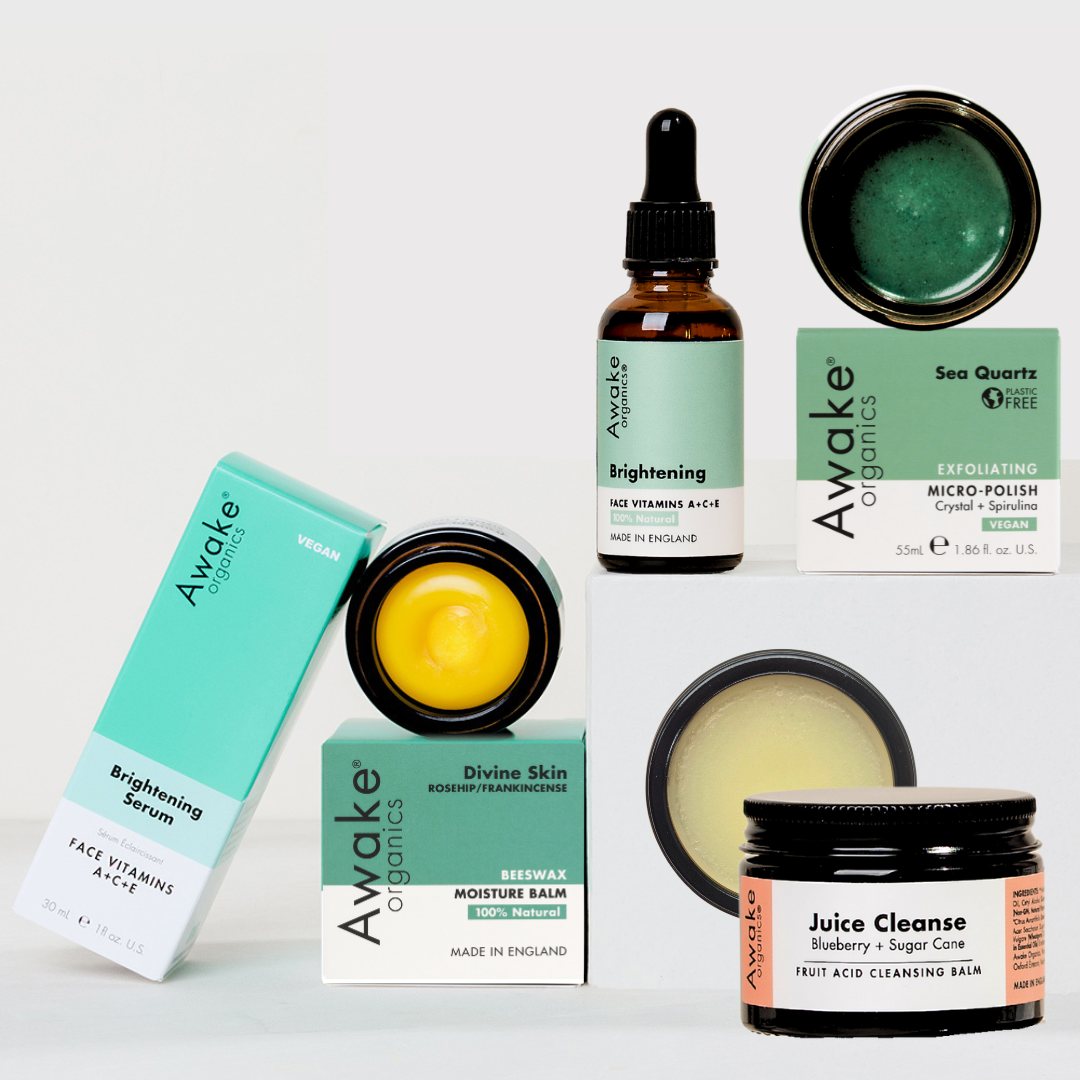
Hemp seed oil is the base of every face oil we make, and it's in every skincare product in the range apart from the Dry Skin Rescue Balm and the Juice Cleanse Balm, which are built around butters and waxes for a different job.
Four reasons, in order of how much they mattered.
The fatty acid profile is the right one for the skin we're mostly formulating for. Our customers skew towards combination, sensitised, and skin that's changing with age. Linoleic-dominant is the sensible default for that reader, and hemp is one of the better examples of it.
It carries other ingredients well without adding weight. Because our formulas are almost entirely water-free, the base oil does a lot of the work in how a product feels. A heavy base makes everything above it feel heavy too.
The crop is a reasonable one. Hemp grows fast and dense enough to shade out most weeds, needs far less irrigation than most other crops, and roots deeply, and is naturally pest-resistant. That's a headline in our books.
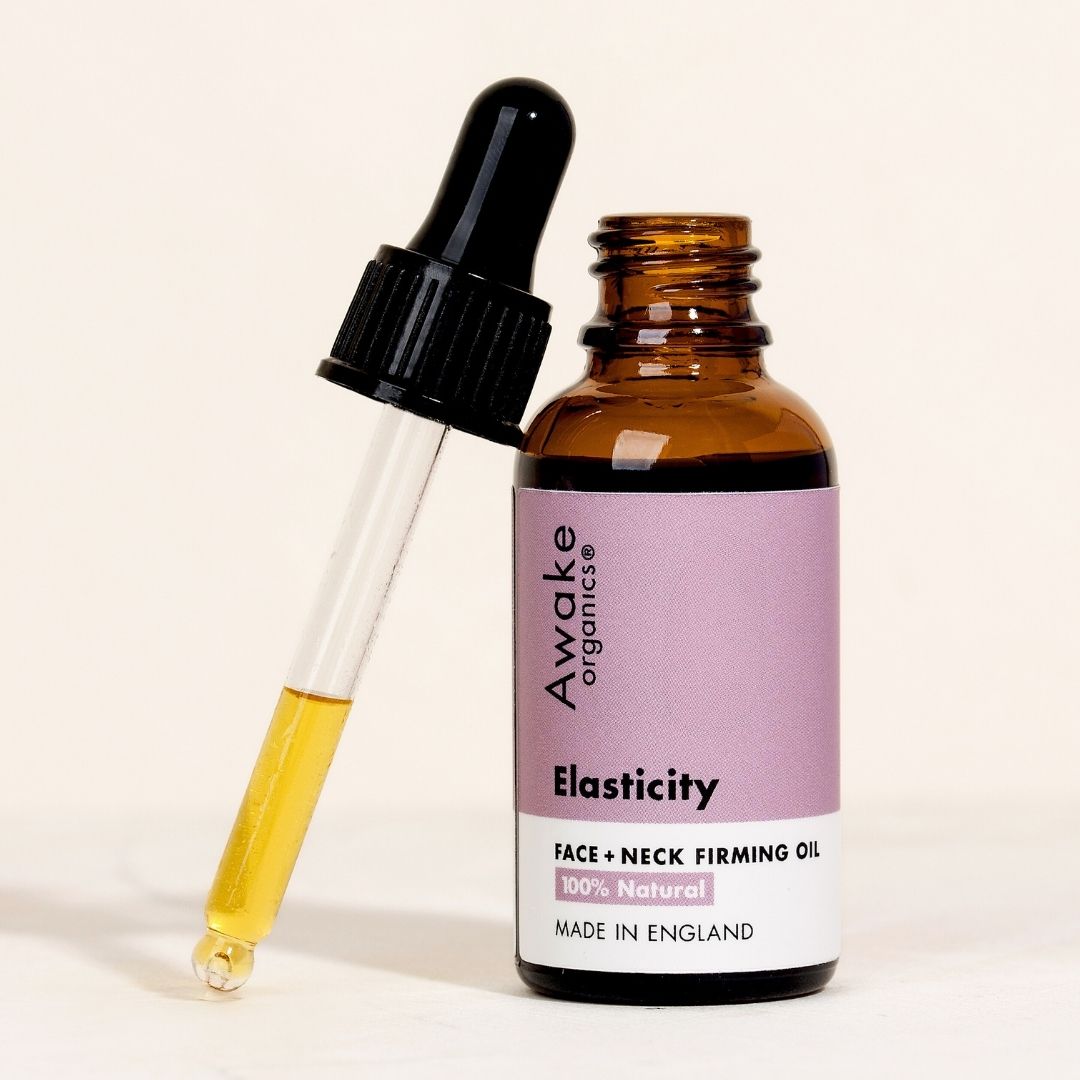
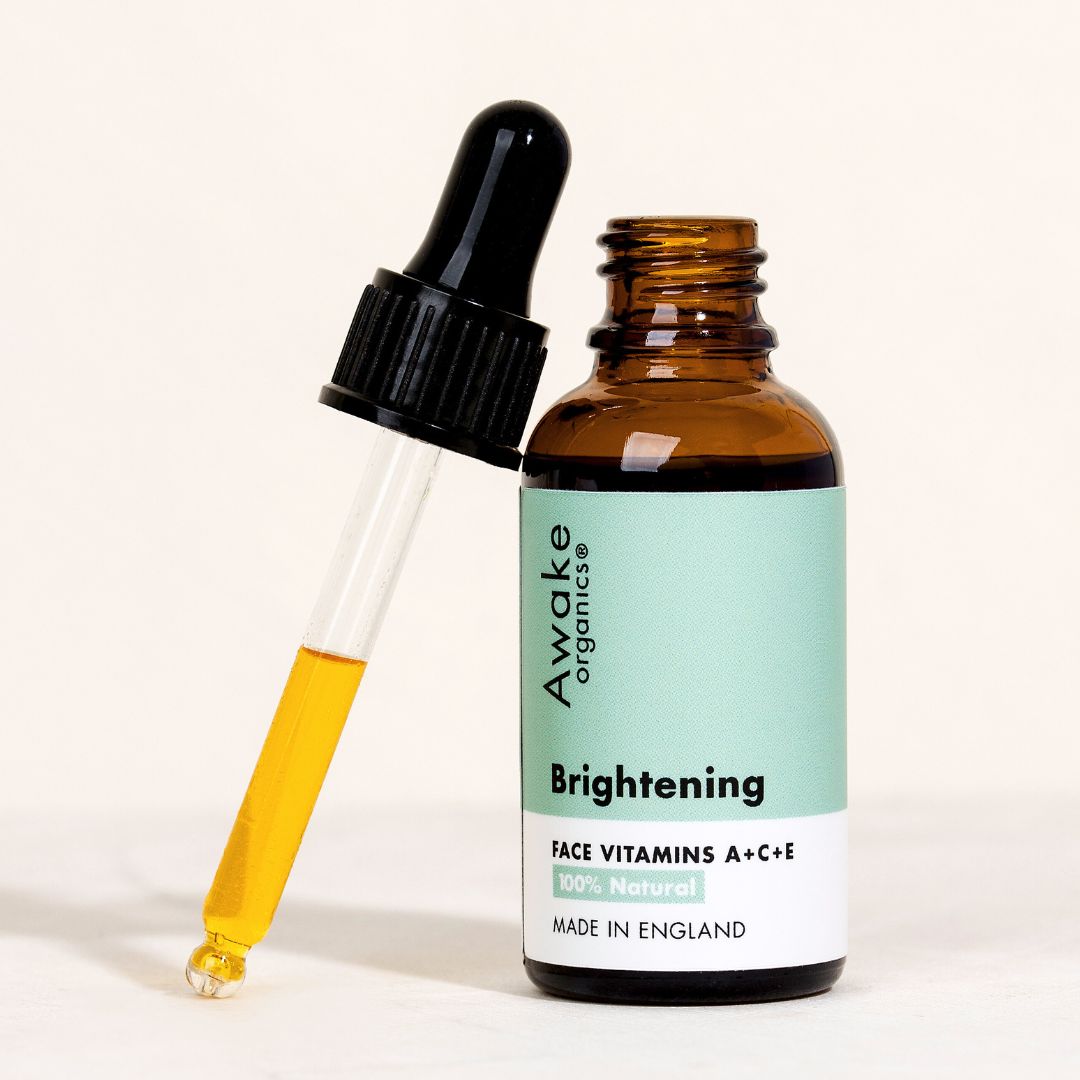
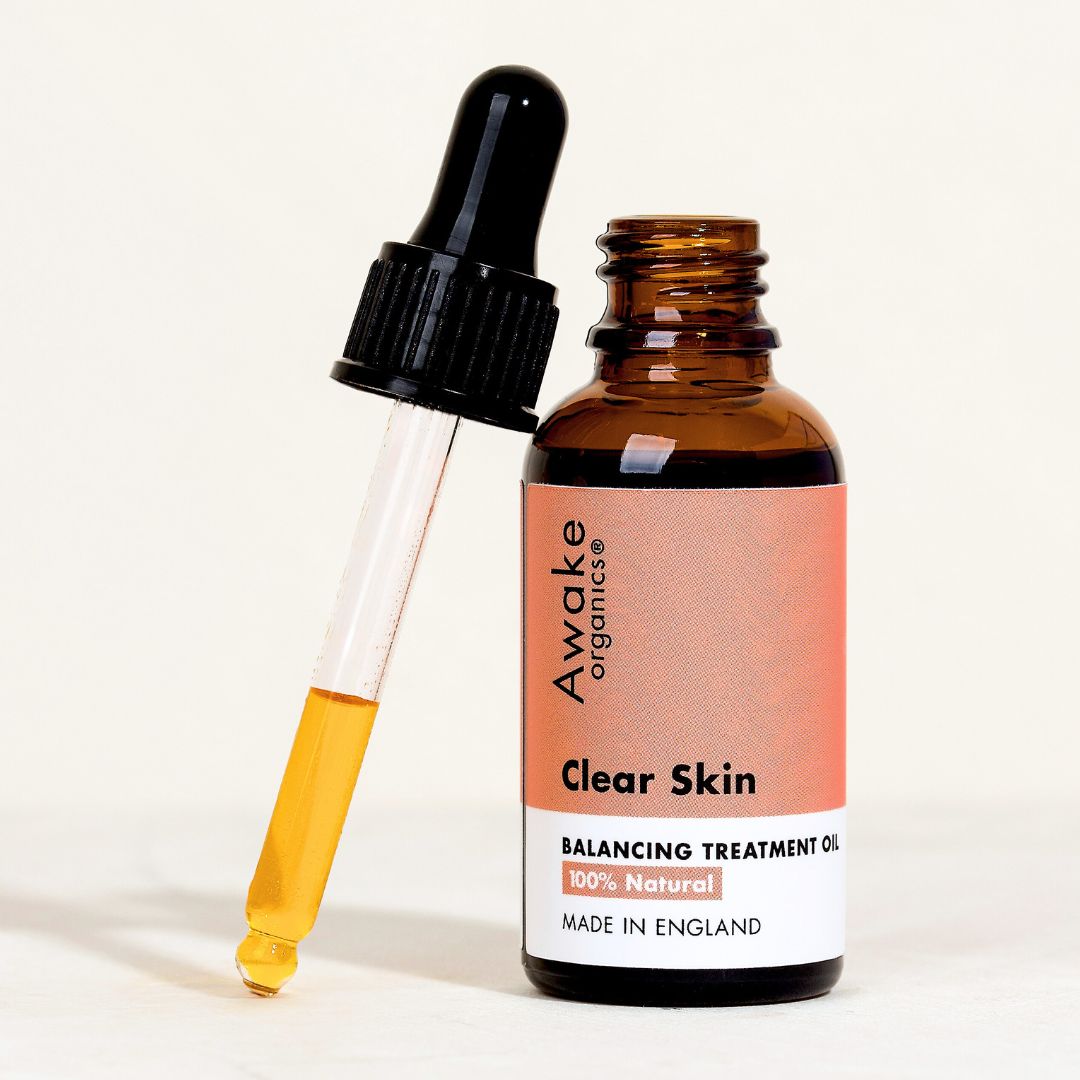
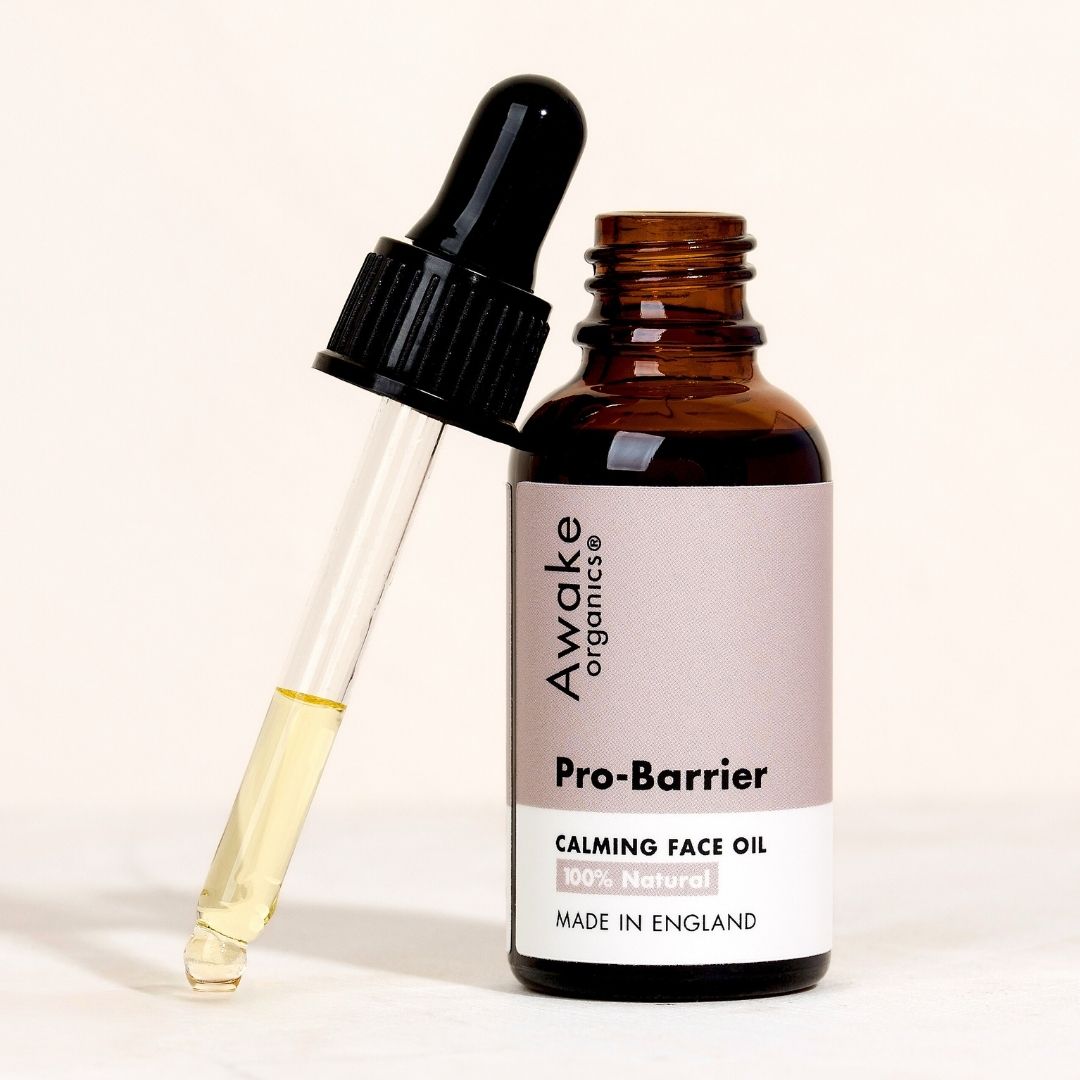
What varies between our face oils isn't the base. It's what sits on top of it, because dullness, sensitivity, congestion and loss of firmness all want different things. If something specific is bothering you, choose for that, the full face oil range is the place to browse.
Common questions
Is hemp seed oil good for dry skin?
It can be, particularly for reducing water loss and supplying fatty acids the barrier uses. If your skin is dry rather than dehydrated, you may want something richer layered over it. If it's dehydrated, add a water-based step underneath.
Is hemp seed oil good for oily or combination skin?
This is where it's most often chosen. Its linoleic-dominant profile means it feels considerably lighter than oleic-rich oils. Whether it suits your skin specifically is still individual.
Does hemp seed oil clog pores?
It's less likely to feel heavy than richer oils, for the compositional reasons above. We won't promise it won't cause congestion for you, because nobody honestly can. Patch test, start with a few drops, and give it two weeks.
Is it suitable for sensitive skin?
It's fragrance-free in its raw form and has no commonly recognised sensitisers, which is part of why we use it as a base. Sensitive skin is individual, so patch test and introduce it on its own rather than alongside two other new things.
How many drops should I use?
Three or four for the whole face, pressed into damp skin. More is not better with a concentrated oil.
Which of your products contain hemp seed oil?
All of the products in our natural skincare range, apart from the Dry Skin Rescue Balm and the Juice Cleanse Balm, contain cold-pressed hemp seed oil.
How should I store it?
Cool, dark, lid closed. Not on a sunny windowsill or above a radiator. High-polyunsaturated oils oxidise faster than most, and light and heat are what start it.
References
Callaway, J.C. (2004). Hempseed as a nutritional resource: an overview. Euphytica, 140(1-2), 65-72.
Vaughn, A.R., Clark, A.K., Sivamani, R.K. & Shi, V.Y. (2018). Natural oils for skin-barrier repair: ancient compounds now backed by modern science. American Journal of Clinical Dermatology, 19(1), 103-117.
Wertz, P.W., Cho, E.S. & Downing, D.T. (1983). Effect of essential fatty acid deficiency on the epidermal sphingolipids of the rat. Biochimica et Biophysica Acta, 753(3), 350-355.
Downing, D.T., Stewart, M.E., Wertz, P.W. & Strauss, J.S. (1986). Essential fatty acids and acne. Journal of the American Academy of Dermatology, 14(2), 221-225.